

The purpose of freezing foods is to prevent the proliferation of microorganisms in foods and to reduce biological and chemical activities as much as possible by converting the water contained in foods into ice crystals at low temperatures. The shelf life of frozen foods ensures that they are safely stored in freezers at minus 18 degrees until the expiry date.
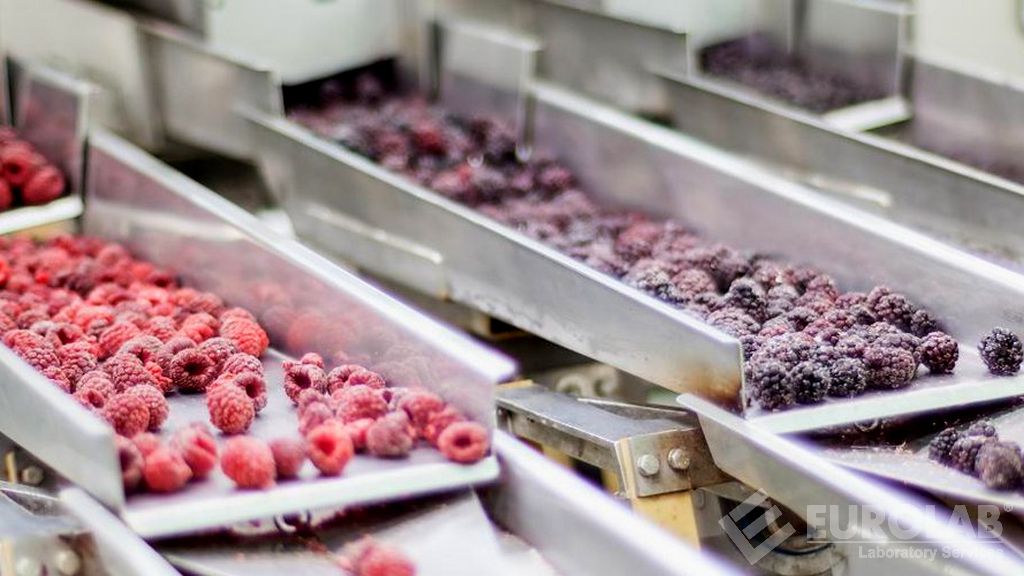
In fact, freezing storage is one of the storage methods without the need to use any additives. Preservation of food by freezing is considered healthier than other methods in terms of food hygiene and nutritional values.
In general, the benefits of frozen foods to the food industry can be listed as follows:
The main frozen products in the food industry are:
The appearance, consistency, smell and taste of the food are tested with frozen food tests in advanced laboratories. Frozen food tests are based on parameters such as ash, acidity, pH value, humidity, odor and taste. Chemical analyzes include lead, cadmium, mercury, iron, zinc and magnesium analyzes, microbiological analyzes include total plate count, yeast and molds, salmonella and coliform bacteria.
In the test, analysis, measurement and evaluation studies carried out in our organization, national and international standards and applicable legal regulations are complied with and reliable and impartial results are obtained. Among the numerous tests carried out in this context, there are also frozen food testing services.
To get an appointment, to get more detailed information or to request an evaluation, you can ask us to fill in our form and reach you.

