

Dietary fiber includes non-starch polysaccharides and lignin that are not digested or absorbed in the human small intestine. It is a mixture of chemically complex polysaccharides. Plant cell walls are the main source of dietary fiber. In foods, dietary fiber is defined by the Codex Alimentarius as resistant starch and indigestible oligosaccharides. The term dietary fiber is used for cellulose, hemicellulose, and lignin to distinguish them from substances such as fats, proteins, pectin, and inorganic substances that make up the cell wall. Whether a plant-based food is soft or hard, and whether it is difficult or easy to digest, depends entirely on the amount of fiber in the food. In general, food products high in fiber provide a feeling of fullness when consumed. Meanwhile, because they do not provide a high energy value for the body, they are preferred, especially for weight control. Fiber-rich foods also have other health benefits.
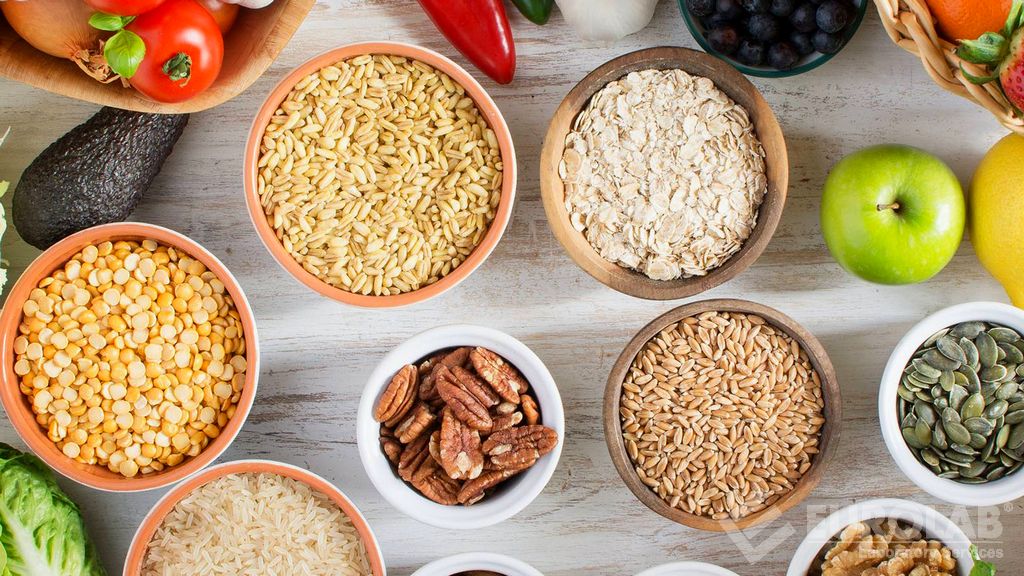
Crude fiber determination is an important parameter when determining the nutritional values and food quality of foodstuffs. The American Food and Drug Administration (FDA) has determined the amount of dietary fiber to be consumed daily as 35 grams.
In the test, analysis, measurement and evaluation studies carried out in our organization, national and international standards and applicable legal regulations are complied with and reliable and impartial results are obtained. These studies are based on the latest technological equipment, trained and experienced staff and modern methods. Among the numerous tests carried out in this context, there are also dietary fiber determination services in foods.
To get an appointment, to get more detailed information or to request an evaluation, you can ask us to fill in our form and reach you.

