

Increasing population, urbanization, variability in diets and climate change put pressure on food security. The greatest loss of fresh crop occurs in the post-harvest stage. Fresh produce spoils due to its high moisture content. In general, post-harvest losses of fresh produce are during processing, storage and packaging. However, digital technologies including smart packaging innovations are considered suitable for monitoring and controlling losses.
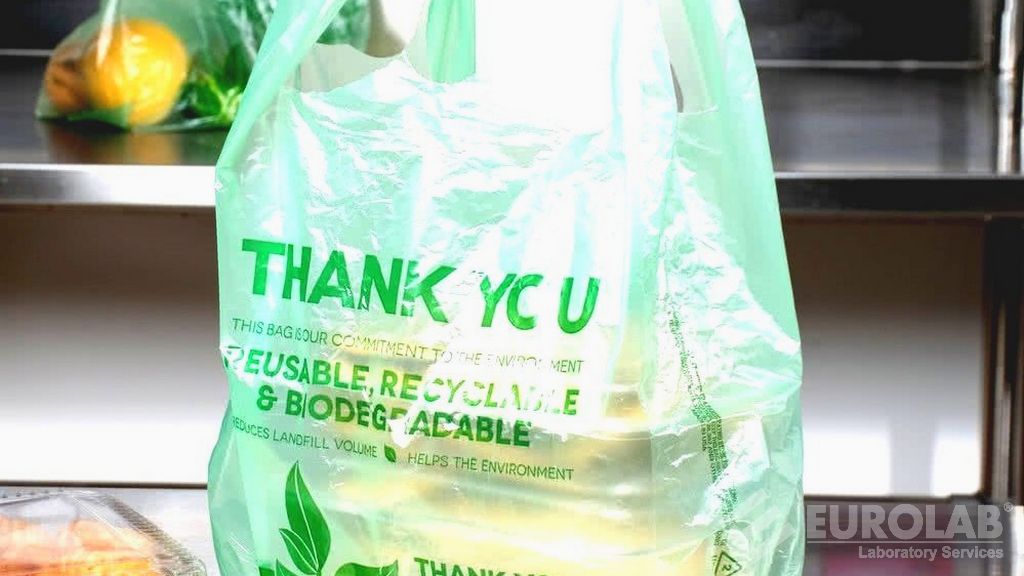
However, the use of synthetic plastic materials in food packaging has a negative impact on the climate and the environment. Therefore, environmentally friendly packaging materials are increasingly becoming an alternative.
Some of the common biodegradable materials in terms of environmental and food safety are gelatin, starch, chitosan, cellulose and polylactic acid. Tensile strength, tear resistance, permeability, degradability and solubility are some of the characteristics that define the selection and use of food packaging materials. Biodegradable films can be degraded in soil by microbial enzymatic actions and bioassimilation.
Research has shown that polylactic acid and starch are potential replacement materials for synthetic polymer films, i.e., plastic food packaging materials. Edible biofilms are compostable and are produced from polysaccharides, proteins, and lipids. The production of edible biofilms is a novel approach to producing biodegradable food packaging that is safe for humans and the environment.
In the test, analysis, measurement and evaluation studies carried out in our organization, national and international standards and applicable legal regulations are complied with and reliable and impartial results are obtained. Biodegradable food packaging materials testing services are among the numerous tests carried out in this context.
To get an appointment, to get more detailed information or to request an evaluation, you can ask us to fill in our form and reach you.

