

Yeasts and molds are two different types of fungi that occur naturally in the environment. A manageable amount of fungus on healthy plants is not a problem, but when conditions are right, fungal growth quickly gets out of control and can pose a health risk. Fungi cannot be eliminated from growing plants, so it is necessary to carefully monitor their levels and prevent uncontrolled fungal growth.
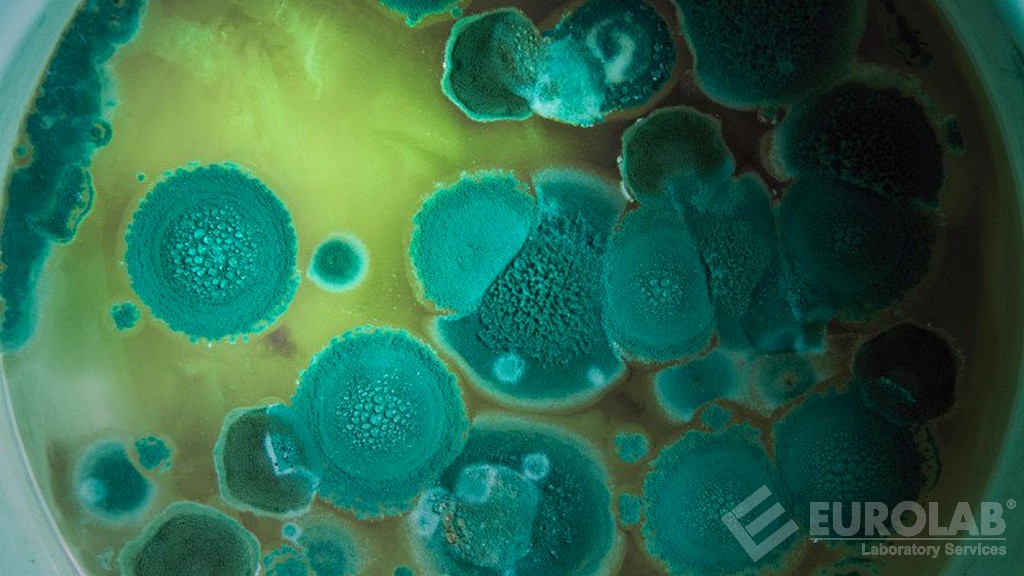
Generally, fungal contamination is caused by stagnant water, dead plant material, contamination from external sources, or improper drying and curing. Poor and improper cleaning practices can cause fungal growth. Supported by advanced laboratories to identify and prevent possible sources of contamination.
Microbial tests are performed to determine whether plants contain, for example, Escherichia coli, Salmonella, yeasts, and molds, and whether these are present at harmful levels. The most common contaminants are yeasts and molds, as they are naturally present in plants at low levels, but their growth accelerates under suitable conditions.
Total yeast and mold counts are performed to quantify and quantify fungal growth on plants and to identify live yeast and mold species present. The amount of fungus is reported as the number of colony forming units. In general, the maximum allowable number of colony forming units is 10 thousand.
In the test, analysis, measurement and evaluation studies carried out in our organization, national and international standards and applicable legal regulations are complied with and reliable and impartial results are obtained. Yeast and mold counting services are among the numerous tests carried out in this context.
To get an appointment, to get more detailed information or to request an evaluation, you can ask us to fill in our form and reach you.

