

Listeria monocytogenes, a foodborne pathogen, causes serious illness in humans. Although the prevalence of this disease is low, the mortality rate is 16 percent. It mainly affects children, the elderly, pregnant women and people with weakened immune systems.
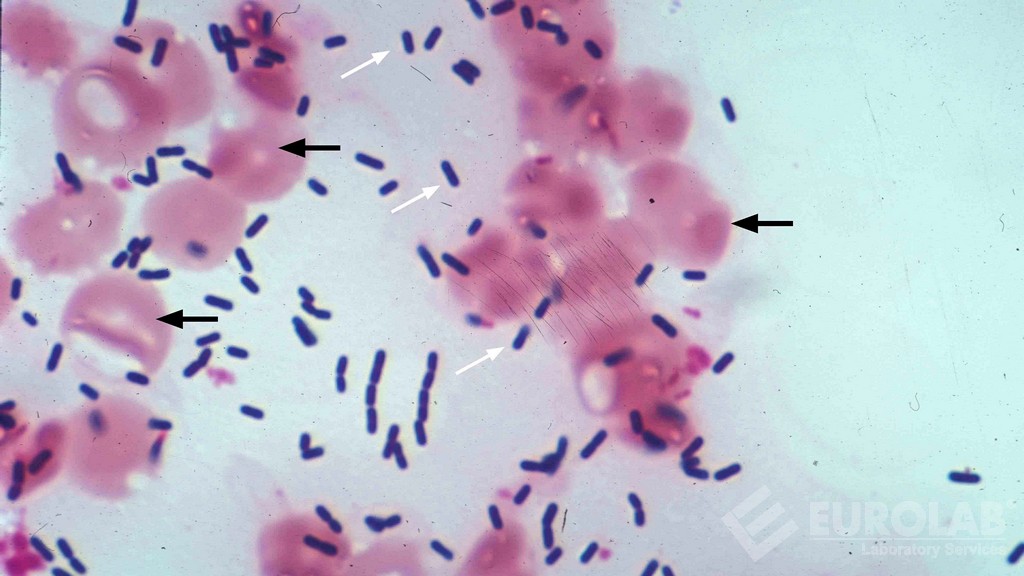
Transmission of the pathogen to humans is caused by many different foods, particularly ready-to-eat foods such as fermented sausages, aged soft cheeses, and raw and smoked fish.
The genus Gram-positive Listeria is ubiquitous and can contaminate food products of both animal and plant origin. The human pathogen Listeria monocytogenes causes serious foodborne infections such as meningitis. Mortality rates in the elderly, immunocompromised individuals, and pregnant women are between 20 and 30 percent. It grows at refrigeration temperatures, under vacuum or in a modified atmosphere, tolerates low pH values and forms sanitation-resistant biofilms in food processing plants. Therefore, it is extremely important to prevent contamination. There is a higher risk of transmitting bacteria in ready-to-eat foods. In such foods, listeria monocytogenes should not reach levels higher than 100 colony forming units per gram during shelf life.
Except for Listeria monocytogenes, listeria ivanovii is pathogenic to animals and humans and is dangerous to health.
In the test, analysis, measurement and evaluation studies carried out in our organization, national and international standards and applicable legal regulations are complied with and reliable and impartial results are obtained. Among the numerous tests conducted in this context, listeria spp. Search services are also available.
To get an appointment, to get more detailed information or to request an evaluation, you can ask us to fill in our form and reach you.

