

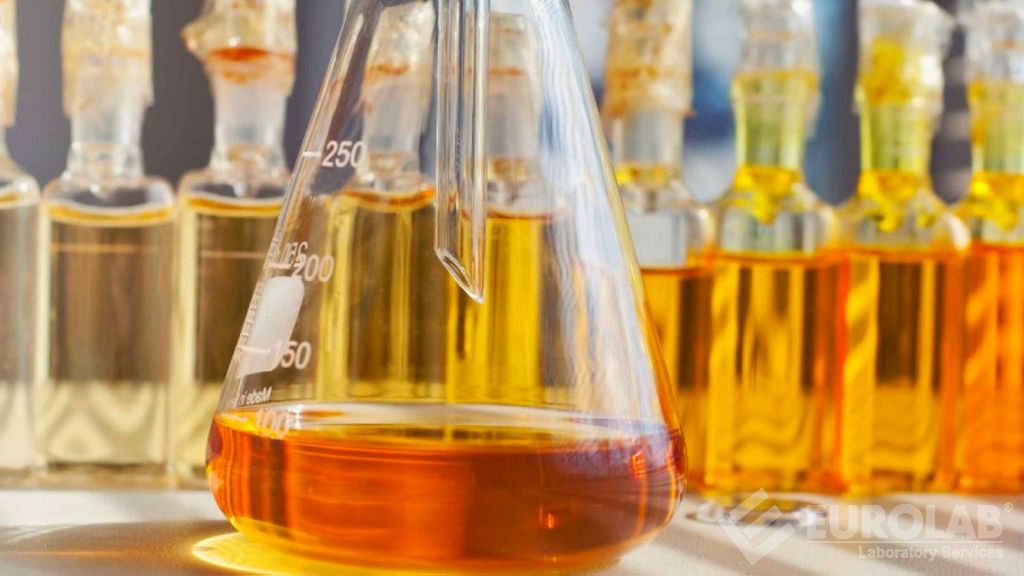
With the cold test performed on vegetable and animal oils, the resistance of these oils to the formation of precipitate at zero and 4 degrees temperature is determined. During the test, the oil samples are first heated to a very high temperature, such as 130 degrees, and then left to be cooled rapidly (zero degrees) and the clouding of the oil is followed.
The main components that cause clouding in oils are triacylglycerols or wax esters. Sediment formation in canola and sunflower oils is dependent on temperature and concentration of components that contribute to sedimentation. The cold test method is not applied to extracted oils.
AACC method 58-11.01 describes the cold test method for vegetable and animal fats and the special properties of oils, fats and fats.
This method for determining the overwintering degree (stearin removal process) of an oil sample is applicable to all normal, refined and dry animal and vegetable oils.
The compounds contained in these oils also affect their physical properties. These physical properties include relative density, viscosity, smoke and flash points, crispness (crismer) value, saponification value, acid number, and cold test results.
The purpose of the winterization process is to separate the components present in the crude oil which tend to precipitate at low temperatures. Cold test is applied for this purpose.
In the test, analysis, measurement and evaluation studies carried out in our organization, national and international standards and applicable legal regulations are complied with and reliable and impartial results are obtained. Among the numerous tests carried out in this context, there are also cold test (in vegetable and animal oils) services.
To get an appointment, to get more detailed information or to request an evaluation, you can ask us to fill in our form and reach you.

