

Nowadays, the production and consumption of alcoholic beverages is increasing. However, the increase in the prices of alcoholic beverages has also increased the incidence of illegal or counterfeit alcohol production. In order to prevent these situations, alcoholic beverages must be subjected to certain tests and analyzes.
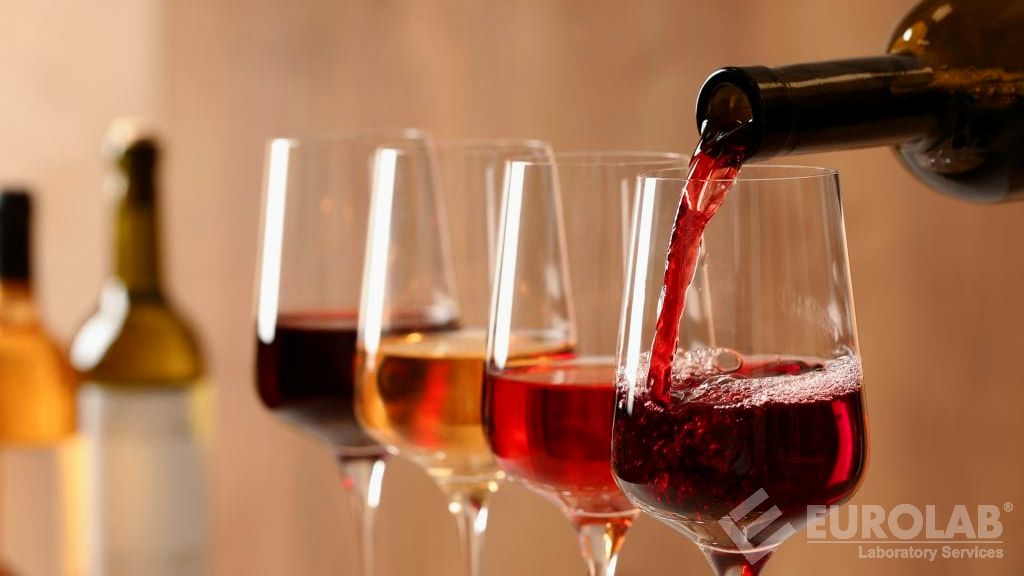
The main alcoholic beverage analyzes performed in advanced laboratories are: organoleptic analysis, carbon dioxide determination, alcohol content (volume) determination, methyl alcohol determination, sulfur dioxide analysis, artificial dye search, sugar determination, natamycin determination, lead determination, ochratoxin A determination, relative density determination. and color determination.
The volatile component profiles of alcoholic beverages consist of a wide variety of compounds, including acids, alcohols, aldehydes, and other trace flavor compounds. Sensory evaluations of distilled liqueurs, wines, or beers are not exactly the same. These sensory characteristics often stem from subtle differences between the volatile components present. By using instrumental methods to assess these differences qualitatively or quantitatively, additional information is obtained through sensory techniques.
Gas chromatography (GC) is a powerful tool in the analysis of alcoholic beverage products. Aroma compounds tend to be volatile in nature, fulfilling one of the key requirements of gas chromatography. With this method, it is possible to monitor the alcohol content in alcoholic beverages, to determine the volatile profile of a product and to detect trace level impurities.
In the test, analysis, measurement and evaluation studies carried out in our organization, national and international standards and applicable legal regulations are complied with and reliable and impartial results are obtained. Alcoholic beverage analysis services are among the numerous tests carried out in this context.
To get an appointment, to get more detailed information or to request an evaluation, you can ask us to fill in our form and reach you.

