

Monosodium glutamate is a flavor-enhancing additive commonly added to Chinese food, canned vegetables, soups, and processed meats. The U.S. Food and Drug Administration (FDA) classifies monosodium glutamate as a generally safe food ingredient. However, its use remains controversial. Therefore, if it is added to a food product, it must be listed on the label.
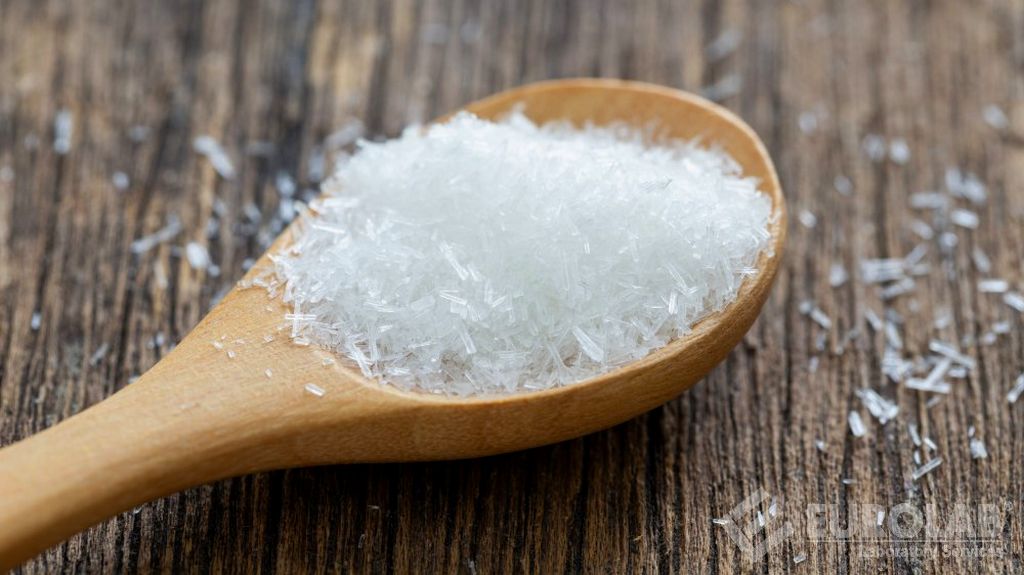
Monosodium glutamate has been used as an additive for many years. Common human health reactions are: headache, flushing, sweating, facial pressure or tension, tingling or burning in the face and neck, palpitations, chest pain, nausea and weakness. However, researchers have not identified a definitive link between monosodium glutamate and these symptoms.
Hundreds of ingredients are added to foods during processing to enhance the flavor of the final product. One of them, monosodium glutamate, is an additive that many people avoid. However, it is a popular flavor enhancer derived from L-glutamic acid, a naturally occurring amino acid required for the creation of proteins. Besides being used as a food additive, it occurs naturally in some foods such as tomatoes and cheese.
In the test, analysis, measurement and evaluation studies carried out in our organization, national and international standards and applicable legal regulations are complied with and reliable and impartial results are obtained. These studies are based on the latest technological equipment, trained and experienced staff and modern methods. Among the numerous tests carried out in this context, there are also services for the determination of monosodium glutamate in foods.
To get an appointment, to get more detailed information or to request an evaluation, you can ask us to fill in our form and reach you.

