

The standard “EN ISO 15320 Pulp, paper and cardboard - Determination of pentachlorophenol in an aqueous extract”, originally a European standard and later published by the International Organization for Standardization (ISO), describes a test method for the determination of pentachlorophenol in aqueous extracts of pulp, paper and cardboard. Although this standard was developed for paper and cardboard intended for contact with food, it is applicable to all types of pulp, paper and cardboard. The working range for acetylation is between 0,05 mg/kg and 0,5 mg/kg. If the aqueous extract is diluted, the upper limit of the working range can be increased.
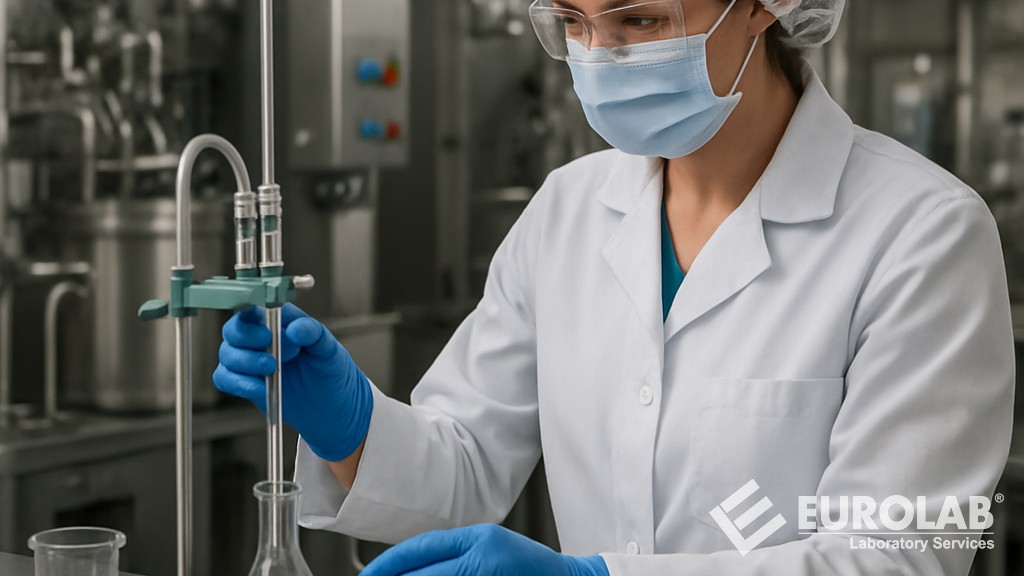
In principle, a sample of the material to be tested is removed with cold or hot water. The pentachlorophenol extract is concentrated by adsorption onto a phenyl silica column using solid-phase extraction. The pentachlorophenol is then eluted from the phenyl silica column with an acetylated derivative formed with n-hexane and acetic anhydride. The amount of pentachlorophenol present is determined using gas chromatography with an electron capture detector or a mass spectrometer (MS) detector. The result is expressed in milligrams per kilogram of material.
If the analysis is to be performed on a large quantity of paper, cardboard, or pulp, the sample should be selected in accordance with the relevant ISO 186 or ISO 7213 standards. If the analysis is performed on another type of sample, the source of the sample and, if possible, the sampling procedure should be reported. Samples are selected to be representative of the sample taken. Fingers should not touch the test area of the sample or test specimen; protective gloves should be used. A minimum sample size of 10 g is required for testing. A separate sample is taken to determine the dry matter content according to the ISO 638 standard. The dry matter content of the sample is determined according to the ISO 638 standard.
Pentachlorophenol is a synthetic organochlorine compound widely used as a wood preservative, fungicide, and herbicide. Known for its broad-spectrum antimicrobial properties, pentachlorophenol effectively protects wood from fungal decay and insect damage. However, its persistence in the environment and potential toxicity have raised significant health and ecological concerns. Pentachlorophenol is classified as a probable human carcinogen by the International Agency for Cancer Research and is restricted or banned in many countries under various regulations.
In the context of processed wood products, pentachlorophenol can leach into the environment, particularly when exposed to water. This leachate poses a risk to groundwater, surface water, and soil ecosystems. To ensure compliance with environmental safety standards, standardized methods for measuring pentachlorophenol levels in leachate are essential. One such method is described in the EN ISO 15320 standard. This standard provides a reliable and reproducible protocol for measuring pentachlorophenol concentrations in water-based extracts obtained from paper, cardboard, and pulp materials, helping manufacturers and regulators assess product safety and environmental impact.
The EN ISO 15320 standard covers pentachlorophenol concentrations between 0,1 mg/kg and 50 mg/kg (based on dry mass). It is designed for measurement in the liquid phase after extraction, not for direct measurement in solid matrices. This method is suitable for quality control in production, regulatory compliance testing, and leaching kinetics research. Important exceptions include extracts from non-cellulosic materials or those requiring organic solvent extraction.
The method described in the EN ISO 15320 standard is based on high-performance liquid chromatography (HPLC) with ultraviolet (UV) detection, following preparatory extraction and purification. The principle involves:
This approach provides high specificity due to the fact that the chlorinated structure of pentachlorophenol forms a distinct chromatographic peak. The detection limit of the method is approximately 0,05 mg/kg, which makes it sufficiently sensitive for trace amount monitoring.
The advantages of this method are as follows:
In conclusion, the EN ISO 15320 standard is a cornerstone in protecting public health and ecosystems by enabling the precise detection of pentachlorophenol in aqueous extracts. As sustainability demands intensify, this method allows manufacturers to phase out legacy pollutants and develop more environmentally friendly materials.
For many years, our organization, with its competent and experienced staff, has been understanding the needs of its clients, providing the advanced testing services they require, and assisting them in the establishment, implementation, and improvement of management systems. Within this framework, we also provide testing services to businesses in accordance with the "EN ISO 15320 Pulp, paper and cardboard - Determination of pentachlorophenol in an aqueous extract" standard.
To get an appointment, to get more detailed information or to request an evaluation, you can ask us to fill in our form and reach you.

