

Chloride occurs naturally in all unprocessed foods, albeit in very small amounts. For example, 1 gram of raw and unprocessed fish and meat contains up to 4 mg of chloride. Fruits and vegetables generally contain less than 1 mg of chloride per gram of food. However, the form that contributes the most to daily intake of this mineral is table salt.
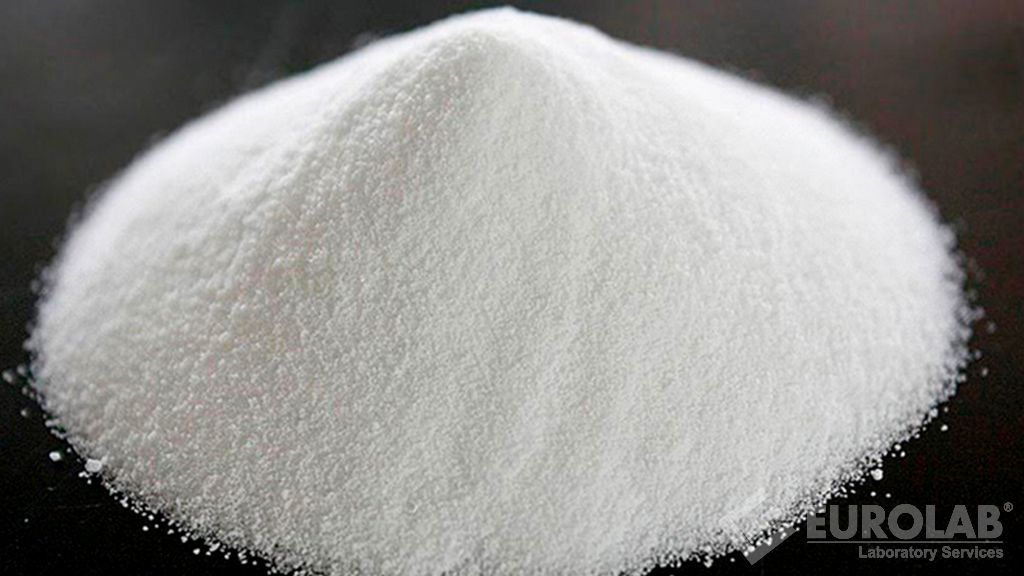
Foods high in chloride include: sauces, processed meats (such as ham, bacon, sausage), cheese, and canned fish.
Chloride interacts with sodium and potassium to help regulate the volume of water in the body and support the function of muscle and nerve cells. Regularly exceeding the recommended intake for these three micronutrients increases the risk of many diseases.
Chloride deficiency is not uncommon, as this mineral is found in many foods. In general, chloride deficiency is due to metabolic disorders or certain health conditions that cause the body to excrete excessive amounts of this mineral.
Exceeding the maximum recommended daily intake for chloride creates the risk of high blood pressure, which in turn causes cardiovascular or kidney disease.
In the test, analysis, measurement and evaluation studies carried out in our organization, national and international standards and applicable legal regulations are complied with and reliable and impartial results are obtained. These studies are based on the latest technological equipment, trained and experienced staff and modern methods. Quality tests - chloride analysis services are among the numerous tests carried out in this context.
To get an appointment, to get more detailed information or to request an evaluation, you can ask us to fill in our form and reach you.

