

The NMKL 6 standard, developed by the Scandinavian Committee for Food Analysis (NMKL), describes a test method based on the Kjeldahl method for the determination of nitrogen in food and feed.
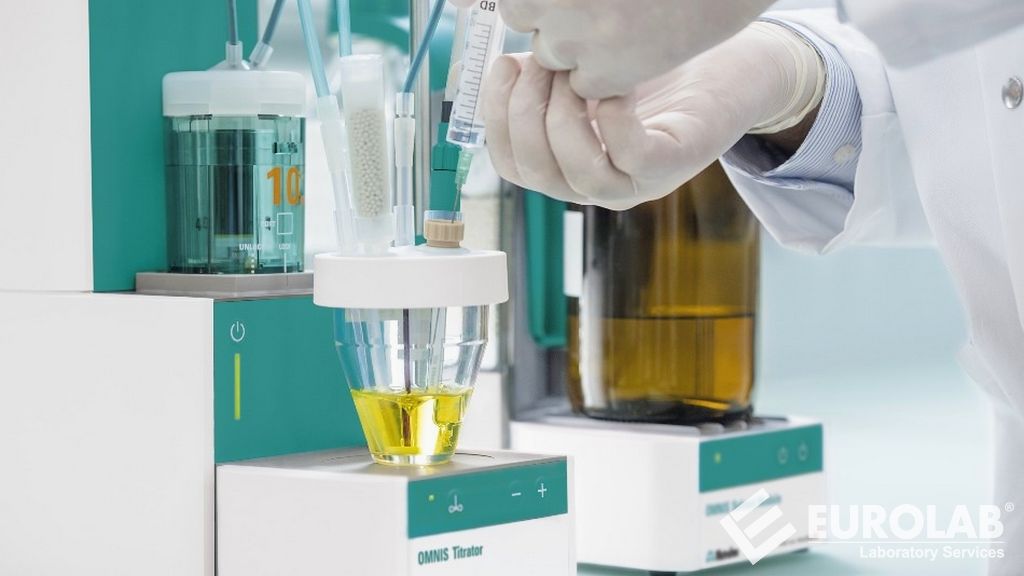
Determination of Kjeldahl nitrogen is done in food and beverages, meats, feeds, grains and roughages to calculate the protein content. In addition, the Kjeldahl method is used for nitrogen determination in wastewater, soils and other samples.
The Kjeldahl method is mainly used to determine the nitrogen content in organic and inorganic samples. For over 100 years the Kjeldahl method has been a reliable method for nitrogen determination in a wide variety of samples. This method is a formal method and is described in many different standards and regulations.
The Kjeldahl procedure includes three main steps: digestion, distillation and titration.
The purpose of the digestion (fragmentation) procedure is to break all nitrogen bonds in the sample and convert the organically bound nitrogen into ammonium ions. Organic carbon and hydrogen form carbon dioxide and water. In this process, the organic material is carbonized. During digestion, the foam decomposes and eventually a clear liquid indicates the completion of the chemical reaction. For this purpose, the sample is mixed with sulfuric acid between 350-380 degrees. The higher the temperature, the faster the digestion.
During the distillation step, ammonium ions are converted to ammonia by adding alkali. Ammonia is transferred to the receiving vessel by steam distillation. For distillation, the receiving vessel is filled with an absorbent solution to capture the dissolved ammonia gas.
The concentration of captured ammonium ions is determined using two types of titration:
Our organization also provides nitrogen determination services in foods and feeds according to Kjeldahl, within the scope of NMKL 6 standard, with its trained and expert staff and advanced technological equipment, among the numerous test, measurement, analysis and evaluation studies it provides for businesses in various sectors.
To get an appointment, to get more detailed information or to request an evaluation, you can ask us to fill in our form and reach you.

