

OECD procedure 202 is an acute immobilization toxicology testing method that determines concentrations of a material that immobilizes Daphnia species. Daphnia spp. It is a popular live bait used in tropical and marine fish farming.
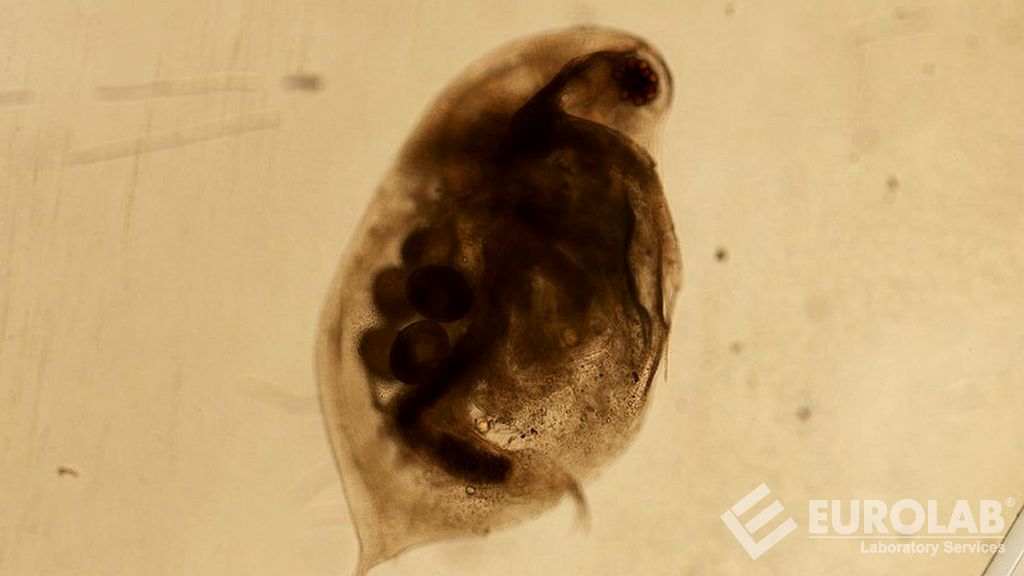
Standard tests carried out within the framework of this procedure are carried out by exposing young Daphnias to various concentrations of the test substance over a 48 hour period. Immobilization is recorded at 24 hours and 48 hours and compared to control values. The concentrations tested are in a geometric series. The highest concentration tested should preferably result in 100 percent inertness. The lowest concentration tested should preferably not give an observable effect. Concentrations are either measurable or nominal, ie calculated based on the amount of material used in the preparation of the solution.
Solutions are preferably made without the use of a solvent. Solutions of test substances with low water solubility are prepared by mechanical dispersion or, if necessary, using organic solvents, emulsifiers or vehicles with low toxicity for Daphnia. The concentration of organic solvents, emulsifiers or dispersants should not exceed 100 mg/l.
The dilution water is aerated before adding the test substance, and the oxygen concentration of the controls and test solutions is measured at the beginning and end of the test. Volatile substances are tested in fully filled, sealed containers large enough to prevent oxygen deficiency. The pH of the controls and test solutions is measured at the beginning and end of the test; the pH of the test solutions should not be adjusted.
In practice of OECD Procedure 202,
Among the numerous test, measurement, analysis and evaluation studies it provides for businesses in various sectors, our organization also provides Daphnia sp., acute inactivity test services within the scope of OECD Procedure 202, with its trained and expert staff and advanced technological equipment.
To get an appointment, to get more detailed information or to request an evaluation, you can ask us to fill in our form and reach you.

