

Bacillus cereus is a facultative anaerobic, toxin-producing gram-positive bacterium found in soil vegetation and even food. These bacteria cause two types of intestinal disease: one with diarrhea and the other with nausea and vomiting. Bacillus cereus, which can multiply rapidly at room temperature, also plays a role in eye, respiratory tract infections and wounds.
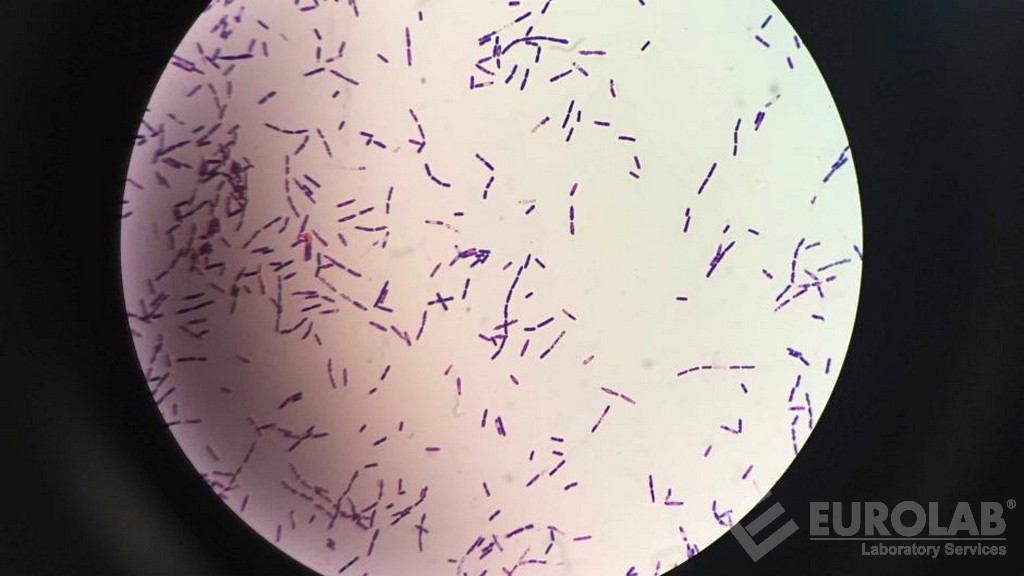
The disease, caused by Bacillus cereus bacteria, is related to beef, turkey, rice, beans, vegetables and many foods. Specifically, diarrhea is usually related to meat, dairy, vegetables and fish. Vomiting-type disease is mostly associated with rice products.
Food poisoning caused by Bacillus cereus is an acute intoxication that occurs when this microorganism produces toxins, leading to two types of gastrointestinal illness: vomiting syndrome or diarrhea syndrome. Bacillus cereus is considered a relatively common cause of gastroenteritis worldwide. Bacillus cereus grows in improperly stored food, therefore, proper food handling, especially after cooking, helps prevent illnesses caused by this microorganism.
Bacillus cereus bacteria are common in the environment and are commonly found in soil. It can produce spores that are resistant to heat and drying. These spores develop into the vegetative form of Bacillus cereus and grow if the food is kept at appropriate pH and temperature conditions for a sufficient period of time.
In the test, analysis, measurement and evaluation studies carried out in our organization, national and international standards and applicable legal regulations are complied with and reliable and impartial results are obtained. Bacillus cereus enumeration services are among the numerous tests performed in this context.
To get an appointment, to get more detailed information or to request an evaluation, you can ask us to fill in our form and reach you.

