

Acid-insoluble ash determination is generally applied to determine whether there are stones, sand and similar particles that may be in foodstuffs or whether the food raw material is cleaned sufficiently.
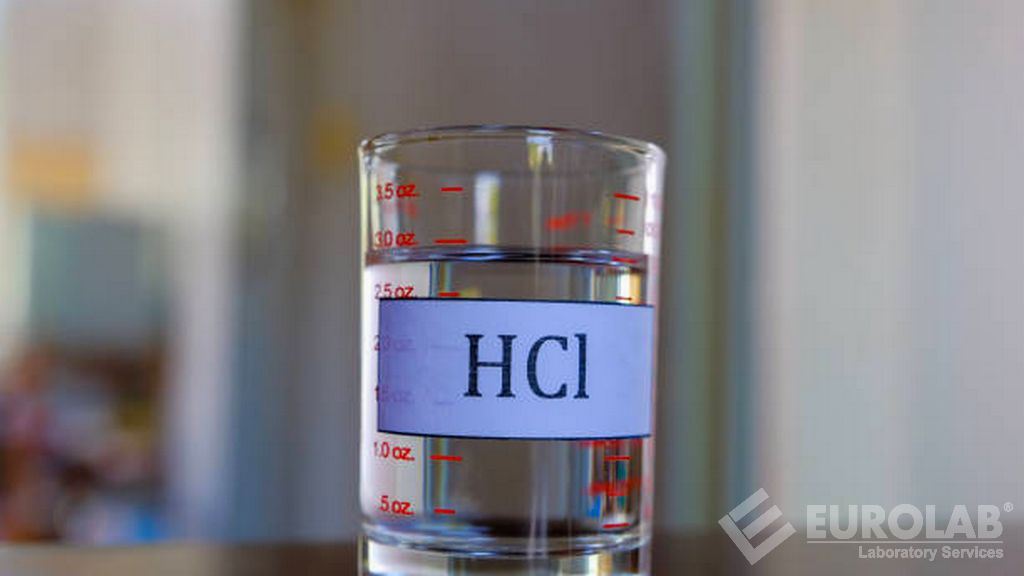
During the tests, 25 ml of 10 percent hydrochloric acid solution is placed in a capsule in which ash has been determined for the test, then it is filtered through ashless filter paper and the remaining part in the filter is burned. The remainder is the amount of ash insoluble in acid.
Theoretically, ash is the inorganic residue remaining after food is burned at a temperature that would burn all the minerals, organic matter, or other substances present in the food. The burning process is primarily carried out at temperatures between 500-600 degrees Celsius and continues until a white-grey color is obtained. If unburned portions are found in the sample after burning, it is first cooled, then a quantity of pure water, nitric acid, hydrogen peroxide, alcohol, or sulfuric acid is added, and the burning process is repeated. A suitable temperature and duration for burning must be determined for each food item. Burning in an acidic environment may be necessary for the determination of some minerals.
In the test, analysis, measurement and evaluation studies carried out in our organization, national and international standards and applicable legal regulations are complied with and reliable and impartial results are obtained. These studies are based on the latest technological equipment, trained and experienced staff and modern methods. Among the numerous tests carried out in this context, there are also services for the determination of ash insoluble in hydrochloric acid.
To get an appointment, to get more detailed information or to request an evaluation, you can ask us to fill in our form and reach you.

