

Detailed tests are carried out in advanced laboratories against cheating in olive oil production. Olive oil is mainly obtained from the ripe fruits of the olive tree by physical methods. During these processes, conditions that will not cause the oil to deteriorate, washing, pressing, centrifugation and straining processes should be applied in a way that it will not be exposed to heat, and the oil should not be subjected to any other processes.
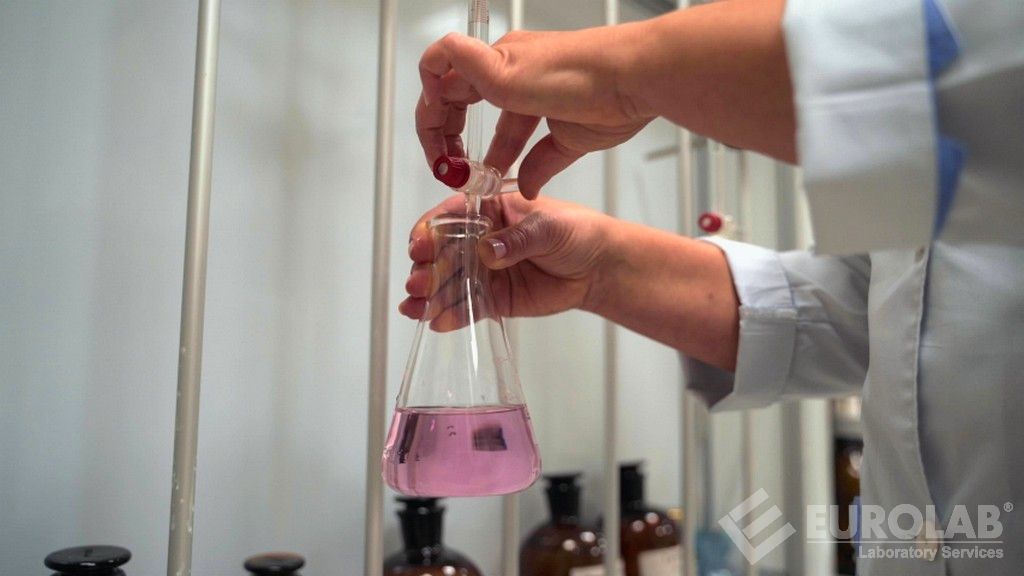
Generally, the tests and analyzes applied for olive oil are handled in two groups as quality and purity criteria. Determination of stigmastadiene is among the parameters that determine purity.
Determining stigmastadiens in olive oils also reveals small amounts of refined oil in extra virgin olive oil. Therefore, the amount of stigmastadiens is an important quality characteristic for extra virgin olive oil. Commercially refined vegetable oils generally contain a steradiene level between 1-100 mg/kg. The amount of stigmastadiens in refined olive oil varies between 0,3-0,9 mg/kg. Cold-pressed natural olive oil does not contain measurable amounts of stigmastadiens. Stigmastadiens form in vegetable oils due to the high temperatures in the bleaching and deodorization phases of the refining process. The amount of stigmastadiens in commercially refined vegetable oils depends on the conditions applied during the refining process.
In the test, analysis, measurement and evaluation studies carried out in our organization, national and international standards and applicable legal regulations are complied with and reliable and impartial results are obtained. These studies are based on the latest technological equipment, trained and experienced staff and modern methods. Among the numerous tests performed in this context, stigmastadiene determination services are also available.
To get an appointment, to get more detailed information or to request an evaluation, you can ask us to fill in our form and reach you.

