

Food additives are substances added to foods to preserve the taste, improve appearance, or slow the onset of spoilage. Natural food additives have been used for centuries. For example, vinegar was used in pickles, salt was used to preserve bacon, sugar and honey were used to preserve fruit and pastries, and sulfur dioxide was used in wine.
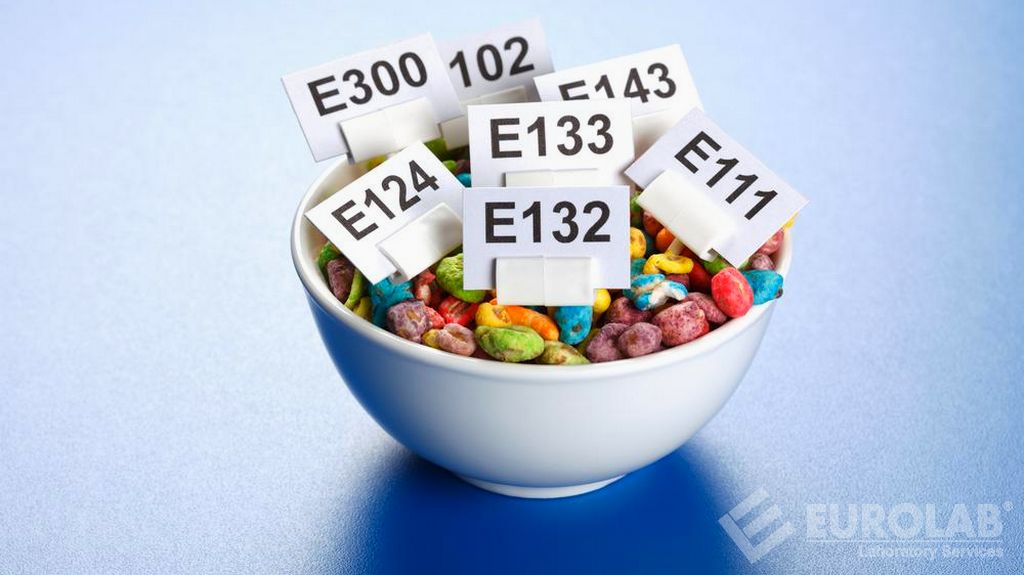
There are a wide variety of food additives, both natural and artificial. For example, vitamin C is an antioxidant that prevents the effects of oxygen on food and acts as a preservative, which is also beneficial for health. Starch is an agent that does not add flavor to food but increases its volume. Color additives improve the color of foods, and flavor additives improve the smell. Emulsifiers allow water and oils to be mixed in an emulsion, as in mayonnaise, ice cream and homogenized milk. Preservative additives prevent the development of fungi, bacteria and other microorganisms that cause spoilage in foods.
According to organizations such as the Food and Agriculture Organization (FAO) and the World Health Organization (WHO), food additives are non-nutritive substances added to foods to improve appearance, flavor, organizational structure or storage. Food additives, which number in the thousands, are classified in different ways.
In the test, analysis, measurement and evaluation studies carried out in our organization, national and international standards and applicable legal regulations are complied with and reliable and impartial results are obtained. Food additives analysis services are among the numerous tests carried out in this context.
To get an appointment, to get more detailed information or to request an evaluation, you can ask us to fill in our form and reach you.

