

Benzoic acid is produced by many plants as an intermediate in the formation of other compounds. High concentrations are found in some fruits. Benzoic acid has also been detected in animals. Benzoic acid therefore occurs naturally in many foods, including dairy products.
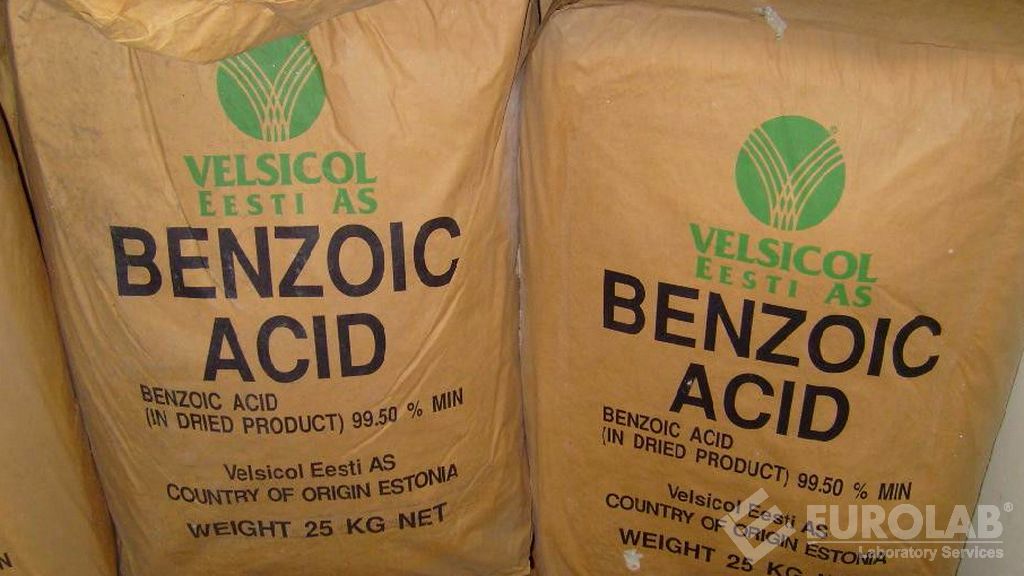
Benzoic acid is a benzene derivative, also known as sodium benzoate or benzoic acid salt. This acid is a preservative and sauces and marinades contain high amounts of this salt. Manufacturers use it as a food additive, as well as artificial flavoring and benzoic acid as a pH adjuster.
As a food additive, benzoic acid is used to preserve various types of food, such as fruit juices, soft drinks, pickles, barbecue sauces, and salad dressings. Many processed foods contain artificially added acids. These acids inhibit the growth of mold, yeast, and bacteria. The U.S. Food and Drug Administration (FDA) considers this use to be harmless to humans when consumed in small amounts. The average level of benzoic acid in foods should be between 0.05% and 0.1%.
In the test, analysis, measurement and evaluation studies carried out in our organization, national and international standards and applicable legal regulations are complied with and reliable and impartial results are obtained. These studies are based on the latest technological equipment, trained and experienced staff and modern methods. Among the numerous tests carried out in this context, there are also benzoic acid determination services in foods.
To get an appointment, to get more detailed information or to request an evaluation, you can ask us to fill in our form and reach you.

