

The period of time an herbicide remains active in the soil is called soil permanence or residual life of the soil. Anything that affects the disappearance or degradation of herbicides will affect persistence. Herbicides vary in their potential to persist in the soil. Several factors determine the persistence of herbicides. These factors are divided into three groups: soil factors, climatic conditions and plant characteristics. Factors in each group interact strongly with each other.
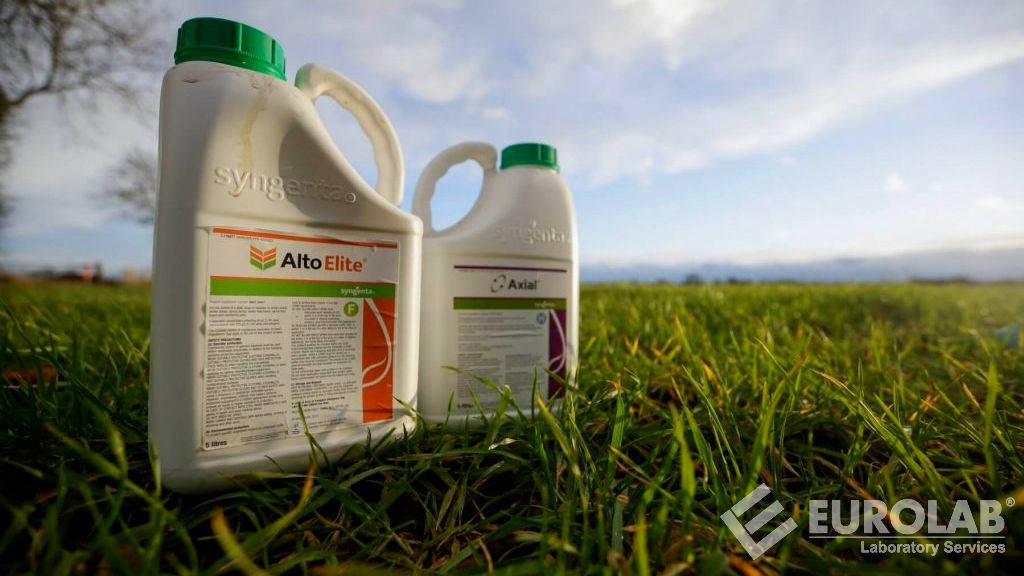
Soil factors that affect herbicide persistence include soil composition, soil chemistry, and microbial activity. Soil composition is a physical factor determined by the relative amounts of sand, silt and clay in the soil as well as the organic matter content. An important chemical property of the soil that affects herbicide persistence is the pH value. Microbial aspects of the soil environment include the types and abundance of soil microorganisms found in the soil. Climatic variables that play a role in herbicide degradation are humidity, temperature and sunlight. Because of both chemical and microbial degradation, herbicide degradation rates generally increase as temperature and soil moisture increase.
The chemical properties of an herbicide also affect its persistence. These properties include water solubility, vapor pressure, and susceptibility of the molecule to chemical or microbial change or degradation. The solubility of an herbicide in water helps determine its leaching potential. Seepage occurs when an herbicide dissolves in water and moves down the soil profile. Easily leaching herbicides can be carried away from the germination areas of crops and weeds.
There are two main options for testing herbicide residues in the soil. The first option is to send a soil sample to an advanced laboratory for analysis. The second option is to do a bioassay by planting the relevant plants in the soil a few weeks before the scheduled planting date.
Depending on the type of herbicide and its concentration level in the soil, persistent herbicides stay for several months to three or more years before completely degrading to inert compounds.
In short, herbicides are chemicals used to prevent the growth of unwanted plants. Several types of herbicides remain in the soil for months or years, and these are called persistent herbicides. Herbicides normally do not affect grasses and crops such as corn, wheat, and oats.
Our organization also provides herbicide residue analysis services with its trained and expert staff and advanced technological equipment, among the numerous test, measurement, analysis and evaluation studies it provides for businesses in various sectors.
To get an appointment, to get more detailed information or to request an evaluation, you can ask us to fill in our form and reach you.

