

Shelf life of food is defined as the time after processing and packaging that the food product maintains the lowest acceptable level of quality for consumption. Shelf life assessment strategies are carefully designed taking into account the originality of the product. In general, shelf life tests initially focus on key critical events that affect the stability of products and factors that control the rate of deterioration. Shelf-life assessment strategies are developed by determining acceptability limits defined by appropriate indicators and methodologies for shelf-life testing under real and accelerated storage conditions.
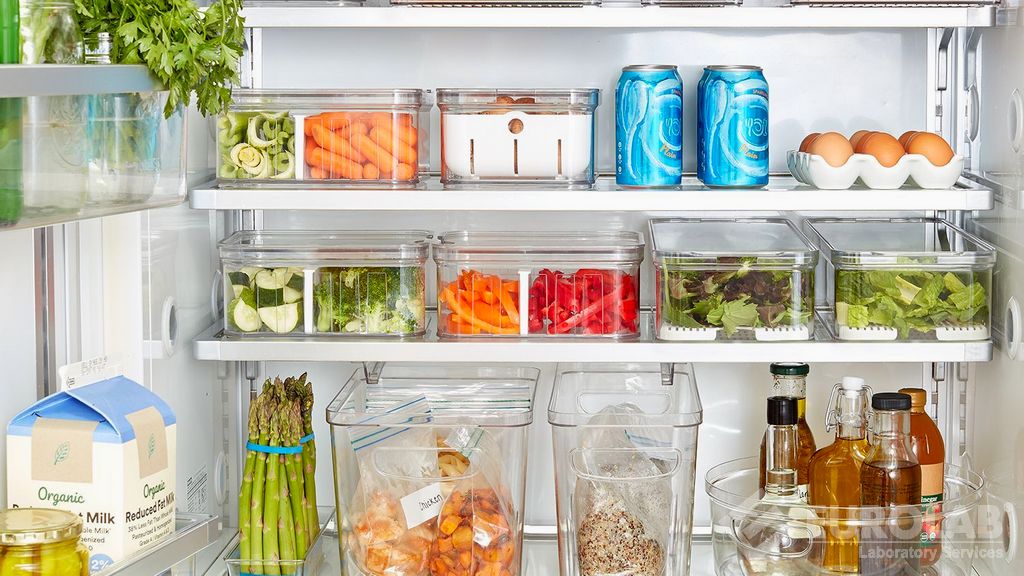
In short, shelf life is the period during which food remains safe and maintains the desired sensory, chemical, physical and biological properties under certain storage conditions. Oxidative reactions are the most common event leading to end of shelf life.
Shelf life is related to the degradation mechanism of a particular product. Many products can be affected by several factors: exposure to light, heat and humidity, transmission of gases, mechanical stresses, and contamination by microorganisms.
The shelf life of perishable products after cold storage is often variable as it depends on the condition of the product at harvest, the storage conditions used, the packaging, the storage time and the environmental conditions at that time.
In the test, analysis, measurement and evaluation studies carried out in our organization, national and international standards and applicable legal regulations are complied with and reliable and impartial results are obtained. Among the numerous tests carried out in this context, there are also shelf life testing services in foods.
To get an appointment, to get more detailed information or to request an evaluation, you can ask us to fill in our form and reach you.

