

Vitamin analysis is performed to determine which vitamins are present in a food, beverage or raw material content and at what levels. These analyzes are quite complex chemical analyzes. Vitamin analysis is essential for product development, nutritional analysis, and understanding the effects of food processing on vitamin content.
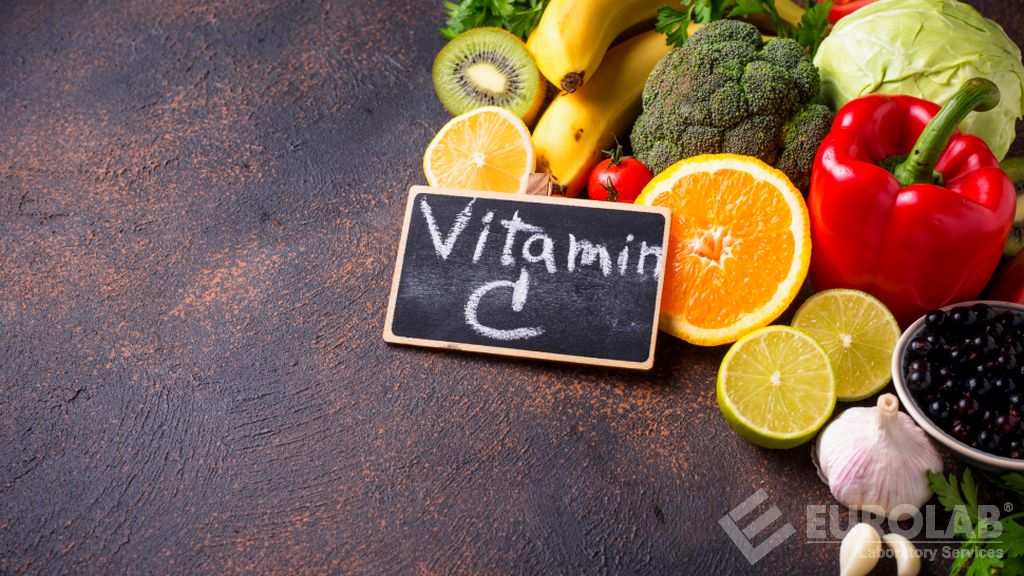
Vitamins are a very different group of chemicals and their determination in food requires using the right method and having comprehensive knowledge of their chemistry.
In general , B vitamin analysis in food has always been challenging. Advanced laboratories are applying liquid chromatography mass spectrometry-based approaches for vitamin analysis in a variety of products such as cereals, vegetables, dairy products, and snacks. These methods make it possible to evaluate the stability of foods both during processing and throughout their shelf life.
The biological assays used to determine most of the vitamins have now been replaced by microbiological assays and some physicochemical methods. Residual gas liquid chromatography (GLC) and high performance liquid chromatography (HPLC) methods are applied.
The main vitamins analyzed are:
In the test, analysis, measurement and evaluation studies carried out in our organization, national and international standards and applicable legal regulations are complied with and reliable and impartial results are obtained. These studies are based on the latest technological equipment, trained and experienced staff and modern methods. Among the numerous tests carried out in this context, there are also vitamin analysis services in foods.
To get an appointment, to get more detailed information or to request an evaluation, you can ask us to fill in our form and reach you.

