

People trying to reduce sugar and calories in their diet turn to artificial sweeteners or other sugar substitutes. Artificial sweeteners and other sugar substitutes are found in a variety of foods and beverages marketed as sugar-free, including soft drinks and baked goods. Sugar substitutes are sweeteners used in place of regular table sugar (sucrose).
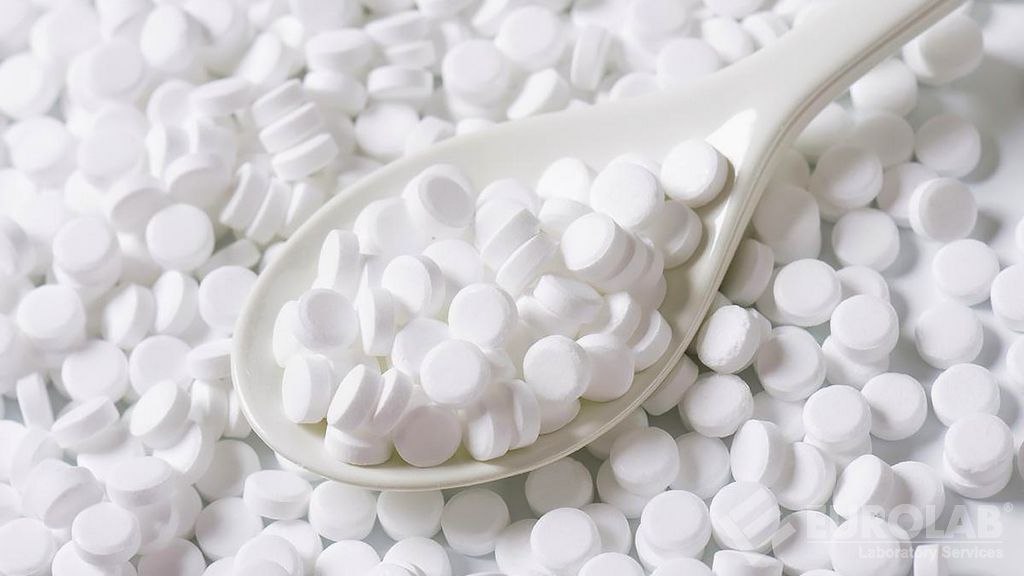
Some manufacturers call sweeteners natural, even if they are processed or refined. Some artificial sweeteners are derived from naturally occurring substances. Natural sweeteners can often be healthier options than sugar or other sugar substitutes. But even these natural sweeteners are often processed and refined. Natural sweeteners approved by the American Food and Drug Administration (FDA) include juices and nectars, honey, cane sugar and maple syrup.
Artificial sweeteners are synthetic sugar substitutes. But it may be derived from plants or naturally occurring substances such as sugar. Artificial sweeteners are many times sweeter than sugar. For this reason, they are also known as intense sweeteners. Artificial sweeteners add no calories and are an attractive alternative to sugar.
Artificial sweeteners are commonly used in the following processed foods: soft drinks, baked goods, puddings, canned foods, jams, and dairy products.
In the test, analysis, measurement and evaluation studies carried out in our organization, national and international standards and applicable legal regulations are complied with and reliable and impartial results are obtained. Among the numerous tests carried out in this context, there are also services for the determination of artificial sweeteners.
To get an appointment, to get more detailed information or to request an evaluation, you can ask us to fill in our form and reach you.

