

At certain stages of processing and storage processes, changes in product quality depending on the application of raw materials and certain additives are a problem. During storage, product surfaces change color, causing significant color changes, namely lightness, nuance and color saturation. For example, the graying of chocolate is mainly due to errors in certain stages of technological production processes such as tempering, shaping and cooling, or excessively long storage. The main reasons why chocolate turns gray during storage are temperature fluctuations and inadequate tempering conditions. Luster is an important quality parameter of chocolate and an important factor for tempering control.
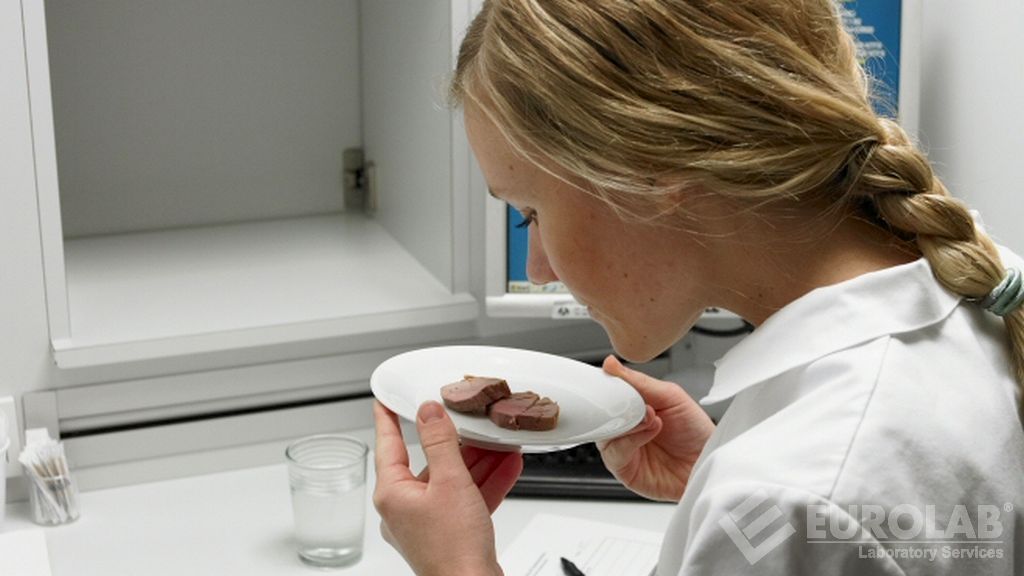
Sensory evaluations generally involve selected, representative, or dominant characteristics of product quality. The purpose of sensory analyses in terms of color, odor, appearance, and general characteristics is to determine food quality features and the degree of compliance with legal requirements and consumer habits. Essentially, the first and most important parameter of a food product is its sensory characteristics. However, sensory characteristics are complex. In a sense, the purpose of sensory analysis is to define the product. Human senses such as the tongue and oral cavity, nose, skin contact, eyes, and ears are used in sensory analysis.
In the test, analysis, measurement and evaluation studies carried out in our organization, national and international standards and applicable legal regulations are complied with and reliable and impartial results are obtained. Among the numerous tests performed in this context, there are also sensory analysis (color, smell, appearance) and general feature determination services.
To get an appointment, to get more detailed information or to request an evaluation, you can ask us to fill in our form and reach you.

