

Quality control studies are an important part of the flour milling industry. The objectives of quality control work in a flour mill are to monitor uniformity throughout mill operation. Ensuring uniformity between flour batches or shipments is important to ensure that the flour meets certain specifications and to verify that the flour has the desired properties for a product.
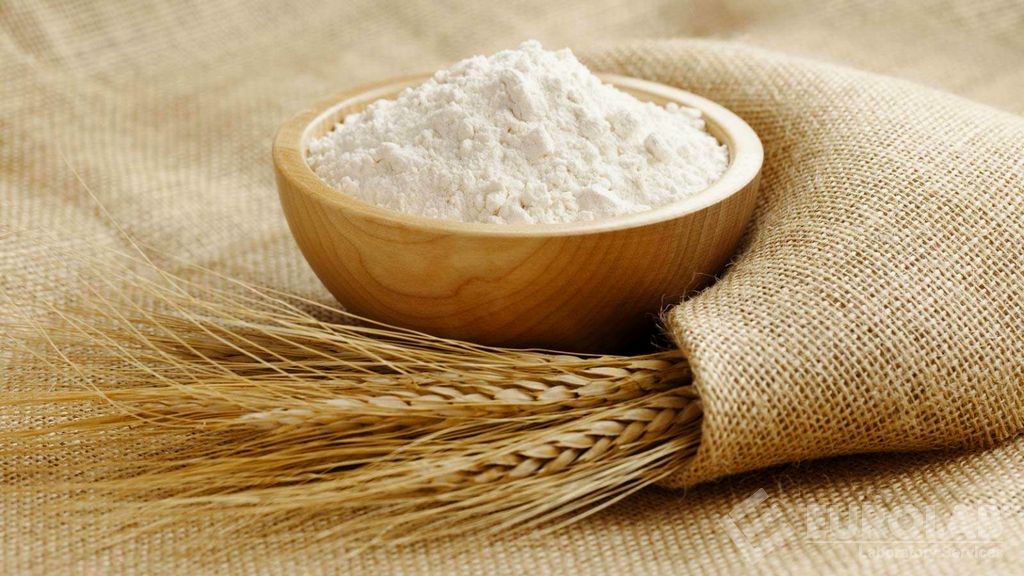
It is important to use appropriate standard methods and procedures in flour quality testing studies. The standard methods used in the food industry, most suitable for grinding quality control studies and widely used, are published by the American International Association of Grain Chemists (AACCI) and the International Association of Grain Science and Technology (ICC).
The main tests performed are for moisture content, protein content, and ash content.
The moisture content of the flour is important to ensure that the flour remains stable during storage. Flour with more than 14,5 percent moisture is prone to mold and bacterial growth.
The protein content of the flour is the main value for which wheat and flour are traded and one of the main factors determining the price. Protein content is one of the most important characteristics as it affects many properties of flour.
Ash is the inorganic or mineral content of flour. This value varies according to the soil and climate. The mineral distribution is most concentrated in the bran. Even a small amount of bran in flour significantly affects the ash content.
In the test, analysis, measurement and evaluation studies carried out in our organization, national and international standards and applicable legal regulations are complied with and reliable and impartial results are obtained. Flour analysis services are among the numerous tests carried out in this context.
To get an appointment, to get more detailed information or to request an evaluation, you can ask us to fill in our form and reach you.

