

Color additives are defined by the US Food and Drug Administration (FDA) as any substance that adds color to a food, medicine, cosmetics or human body. Initially, food dyes were made from coal tar, but today they have become man-made, complex chemicals made from petroleum. Petroleum is a crude oil product commonly used to make gasoline, diesel fuel, asphalt, and plastics. As a food item, it doesn't sound good at all.
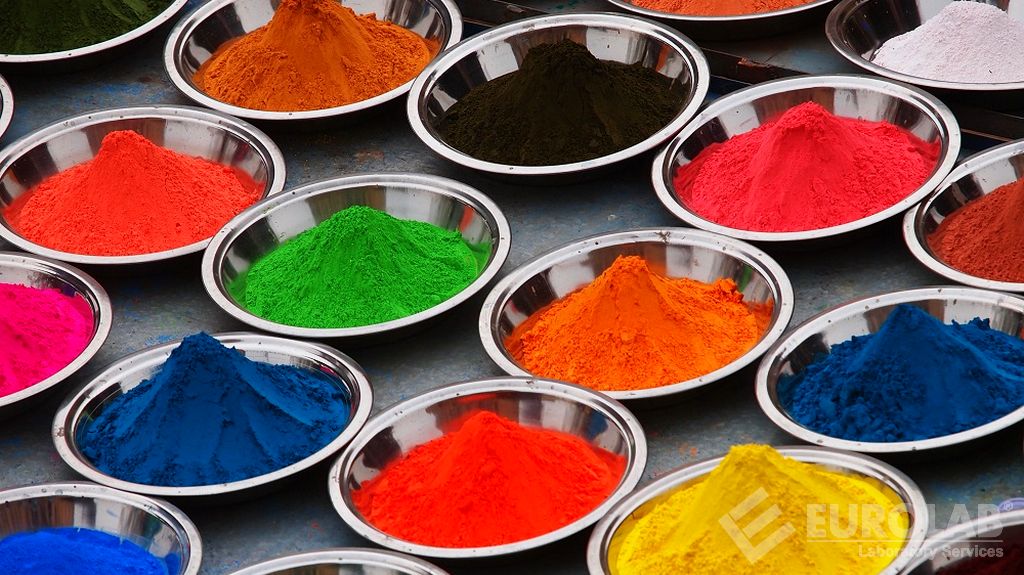
The following synthetic dyes are currently approved by the U.S. Food and Drug Administration for use in food: blue 1 (brilliant blue), blue 2 (indigo carmine), citrus red 2, green 3 (fast green), orange B (not banned but no longer used), red 3 (erythrosin), red 40 (allura red), yellow 5 (tartrazine), and yellow 6 (sunset yellow).
Foods often contain a mixture of different colored dyes. For example, foods such as cereal, ice cream, candy, and pastries contain commonly used artificial food dyes.
In the test, analysis, measurement and evaluation studies carried out in our organization, national and international standards and applicable legal regulations are complied with and reliable and impartial results are obtained. These studies are based on the latest technological equipment, trained and experienced staff and modern methods. Among the numerous tests carried out in this context, there are also additives determination - dye search and synthetic dyestuff analysis services.
To get an appointment, to get more detailed information or to request an evaluation, you can ask us to fill in our form and reach you.

