

Today, products are distributed all over the world and reach consumers in every corner. In this respect, perfect packaging is an essential criterion in trade. Packaging and storage conditions testing is often an important step in this process and is vital to ensure the safety, longevity and consistent quality of a product during transportation and storage.
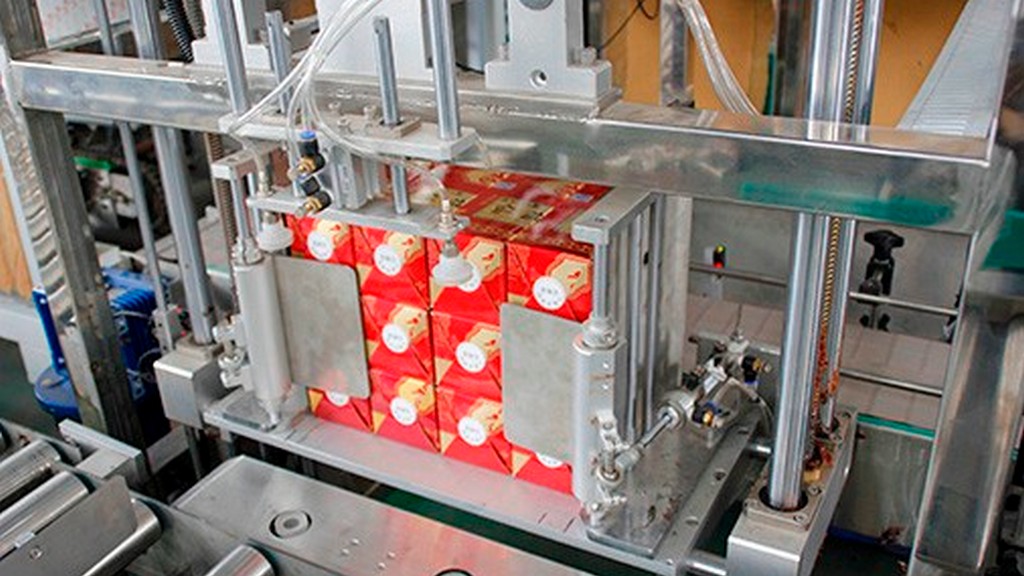
Packaging testing is not just about protecting the contents of the package, it is also vital to protecting a brand’s reputation and maintaining positive customer relationships.
Packaging testing is a critical process within manufacturing and logistics that evaluates factors such as design, materials and functionality of various packaging types to determine their effectiveness in protecting, preserving and presenting the products they contain.
In addition to aesthetics and branding, packaging plays a critical role in the product lifecycle. Shipping, handling, and storage expose delicate products to a multitude of potential stressors, from environmental factors like humidity and temperature fluctuations to physical challenges like drops, vibration, and compression. Robust packaging helps products withstand these conditions and ensures they reach consumers in the condition they were intended for.
The importance of package testing goes beyond ensuring products are undamaged. Proper packaging ensures product quality by preventing contamination or spoilage. It can also protect consumers by ensuring that packaging cannot be tampered with without being noticed.
Regulatory bodies in many industries also mandate specific packaging standards. Testing is important to meet quality standards and help companies avoid costly recalls or legal challenges.
Packaging testing reinforces a brand’s commitment to quality and customer satisfaction. It also ensures that manufacturers can ensure their products can withstand changing environmental conditions, such as temperature and humidity fluctuations. A well-protected product isn’t just about preventing physical damage; it’s about preserving the product’s inherent quality and functionality. For example, humidity or temperature extremes can ruin products like electronics and perishables.
Major types of packaging testing include:
Packaging and Storage Conditions Test for Medical Products
Packaging and storage testing for medical products helps ensure that medical equipment maintains its functionality, safety, and performance throughout its intended shelf life and in a variety of environments. These tests help determine how humidity, temperature, moisture, and other factors affect a product’s viability. These tests help manufacturers and regulatory agencies ensure that a device is effective and safe for patients and users throughout its intended life.
For example, glucose monitors are vital medical devices that many diabetics rely on to measure their blood sugar. Before these devices are released to market, stability testing is required to ensure that they will still produce accurate readings after being exposed to certain conditions. Stability testing for these products may include placing them in a high humidity environment or exposing them to varying temperature extremes to verify that they still give accurate readings under stress.
Ensuring the stability of medical products helps ensure the well-being of patients and healthcare providers. Industry standards for medical devices serve as benchmarks for the integrity, longevity, and reliability of medical devices. Manufacturing products that meet these standards ensures they can withstand a variety of conditions without compromising performance and safety.
Some of the testing criteria covered by these industry standards include:
Ensuring that medical devices are safe throughout their lifecycle is vital to medical device manufacturing. Packaging and storage testing plays a critical role in quality assurance. These tests involve placing medical devices in controlled environments that simulate the conditions they are likely to encounter in the real world. This allows manufacturers to identify potential hazards in advance and make necessary adjustments. These conditions mimic temperature fluctuations, humidity levels, and other environmental variables to test the durability and longevity of the product.
Packaging and Storage Conditions Testing for Food Products
Almost all of the food items consumed today come in protective packaging. These food packages are made of safe and non-toxic food grade materials and do not cause any damage to the sealed food items.
Unsafe packaging can cause the food inside to deteriorate and have harmful effects on the health of the consumer. It is also a loss for food processing companies that spend cost and energy on their quality products. Therefore, food packaging is an important part of the supply chain.
Once the food has been processed, it needs to be packaged appropriately before it reaches the stores and eventually the homes of consumers. Stores are often far away from the production and packaging facilities. Transporting them long distances can cause spoilage and make the food completely inedible. However, proper packaging protects the food from external factors such as oxygen (in the air), light, moisture and even pathogens such as bacteria, preventing spoilage and harmful reactions. As a result, the food remains free from chemicals and fresh, increasing its shelf life and therefore remaining suitable for use for a longer period after production.
Food packaging not only protects food from external impacts, but also prevents food from being crushed or punctured. Without proper packaging, food products can lose their shape or texture during transportation or storage.
High-quality food packaging ensures that food is transported and delivered without physical damage. It also makes products easier to handle and allows for easy shipping and storage.
Packaging and Storage Conditions Test for Cosmetic Products
Packaging and storage conditions testing for cosmetic products is a test performed to determine how a product's formulation, packaging and manufacturing process behave under certain conditions. These tests are important to ensure the quality, durability and safety of products.
These tests are often performed to determine the shelf life of products, monitor chemical and physical changes in the formulation, and assess the suitability of the product's packaging. These tests help determine how products will respond to storage conditions, temperature changes, light, humidity, and other environmental factors.
Stability tests typically focus on the following factors:
Packaging and storage conditions tests for cosmetic products include:
Among the numerous tests, measurements, analyses and evaluations our organization has carried out for businesses in various sectors, it also provides packaging and storage conditions testing services with its trained and expert staff and advanced technological equipment.
To get an appointment, to get more detailed information or to request an evaluation, you can ask us to fill in our form and reach you.

