

Nitrosamines are formed by the reaction of secondary or tertiary amines with a nitrosating agent. The nitrosating agent in foods is generally nitrous anhydride, which consists of nitrite in acidic, aqueous solution. Various food components and the physical structure of the food affect the formation of nitrosamines. Ascorbic acid and sulfur dioxide are used to prevent nitrosamine formation in foods.
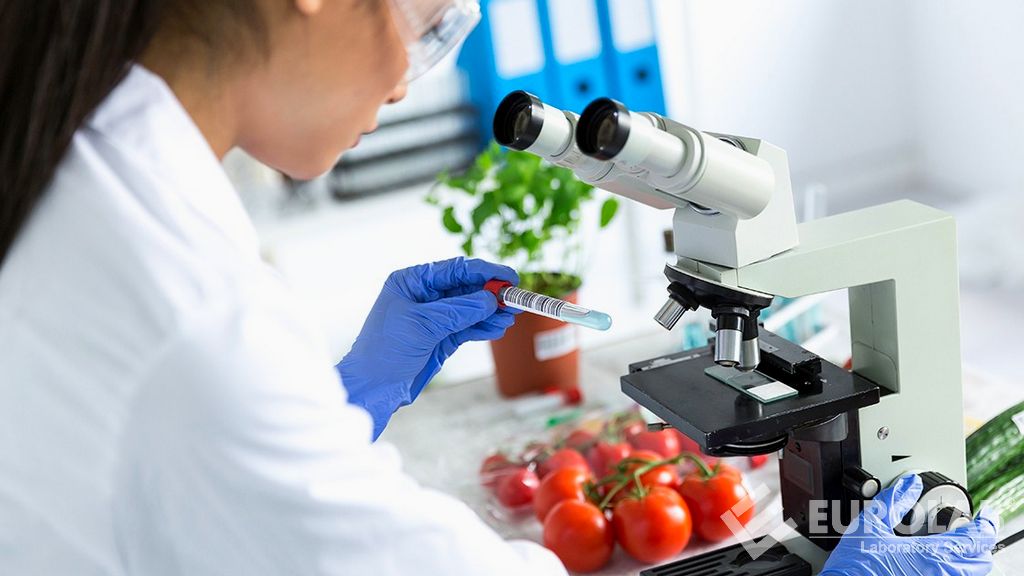
Due to limitations in analytical methodology, insufficient information is available on the levels of non-volatile nitrosamines and other nitroso compounds in foods. Major foods containing volatile nitrosamines include cooked bacon, beer, some types of cheese, skimmed milk powder, and sometimes fish. However, not all samples analyzed contain detectable amounts of nitrosamines. When present, volatile nitrosamines generally occur in lesser amounts. According to the results of the research, the average daily intake of volatile nitrosamines from food is about 1 microgram.
Nitrosamines have no known industrial use. But in processed foods, they occur as unintentional by-products of food preparation and processing. Nitrosamines are formed mainly by the reaction between nitrates or nitrites and some amines. Various consumer products, such as processed meats, alcoholic beverages, cosmetics, and cigarette smoke, may contain nitrosamines.
Since their mutagenic and carcinogenic properties have been proven, interest in these compounds has increased. A wide variety of human exposure sources has led to regulatory and legal regulation and the development of advanced and sensitive analysis methods.
90 percent of nitrosamines studied with animal tests caused carcinogenic effects. The tumors that occur are usually in the esophagus, stomach, liver, kidney and urinary tract.
It appears that nitrosamine concentrations in foods can be significantly reduced by measures such as lowering nitrite and nitrate content in cured foods, adding antioxidants like ascorbic acid, and reducing nitrate content in vegetables.
Beer and malted coffee in particular can contain high levels of nitrosamines due to improper malt production. Cured meat and fish products are other potentially highly contaminated foods due to treatment with nitrate or nitrite-based salts.
Our organization also provides nitrosamine analysis services in foods, with its trained and expert staff and advanced technological equipment, among the numerous test, measurement, analysis and evaluation studies it provides for businesses in various sectors.
To get an appointment, to get more detailed information or to request an evaluation, you can ask us to fill in our form and reach you.

