

The AOAC 991.31 standard, developed by the Official Association of Analytical Chemists (AOAC), describes a test method for detecting aflatoxins (total B1, B2, G1, and G2) in corn, raw peanuts, and peanut butter using liquid chromatography (LC) with immunoaffinity column purging.
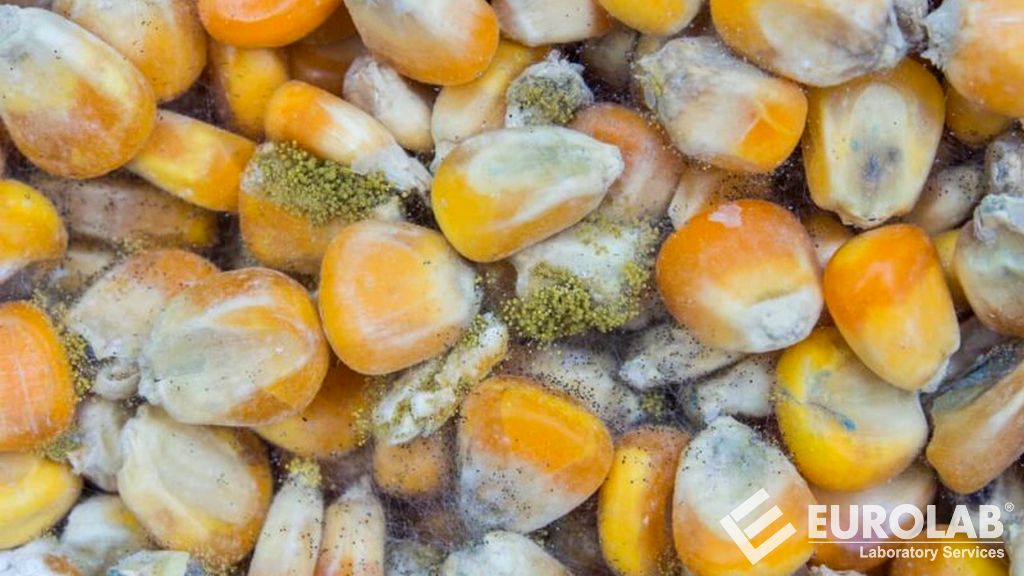
In laboratory studies, the performance of the method has been improved and some modifications have been made for matrices beyond corn and peanut. For example, the extraction solvent was changed from a mixture of methanol and water to acetonitrile and water. The accuracy, repeatability and reproducibility properties of this method have been determined. The modified AOAC test method was found to be applicable to the analysis of six botanical roots of standard 991.31.
Plants have been consumed as food or used as medicine since the beginning of human history. However, plants are often contaminated with toxigenic fungi in the soil. Toxigenic mold research in botanicals has become drugs or dietary supplements and remains traditional medicine in many parts of the world. Medicinal plants or botanicals are usually dried and preserved after harvest.
On the other hand, despite the long history and widespread use of botanicals, molds and mycotoxins in grains and oilseeds threaten human health from time to time. Raw materials and herbal supplements for medicinal use contain high levels of Aspergillus, Penicillium and Fusarium spp. shows what they contain. Aflatoxins are toxic and carcinogenic substances produced by these microorganisms. Mycotoxins, especially aflatoxins (consisting of B1, B2, G1 and G2) and are the main harmful organisms found in agricultural crops.
There are many methods by which total alphatoxins are determined and measured in grains and nuts, such as TLC, LC, ELISA, and LC/MS. High doses of aflatoxins cause acute poisoning and are often life-threatening due to liver damage. Aflatoxins have also been proven to be genotoxic. There is also evidence that it can cause liver cancer in humans.
Our organization also provides testing services for aflatoxins in corn, raw peanuts and peanuts, within the scope of AOAC 991.31 standard, with its trained and expert staff and advanced technological equipment, among the numerous test, measurement, analysis and evaluation studies it provides for businesses in various sectors.
To get an appointment, to get more detailed information or to request an evaluation, you can ask us to fill in our form and reach you.

