

Natamycin occurs naturally in soil as a result of bacterial fermentation. It was discovered 50 years ago. It is mainly used for food preservation and in very rare cases as a treatment for fungal infections.
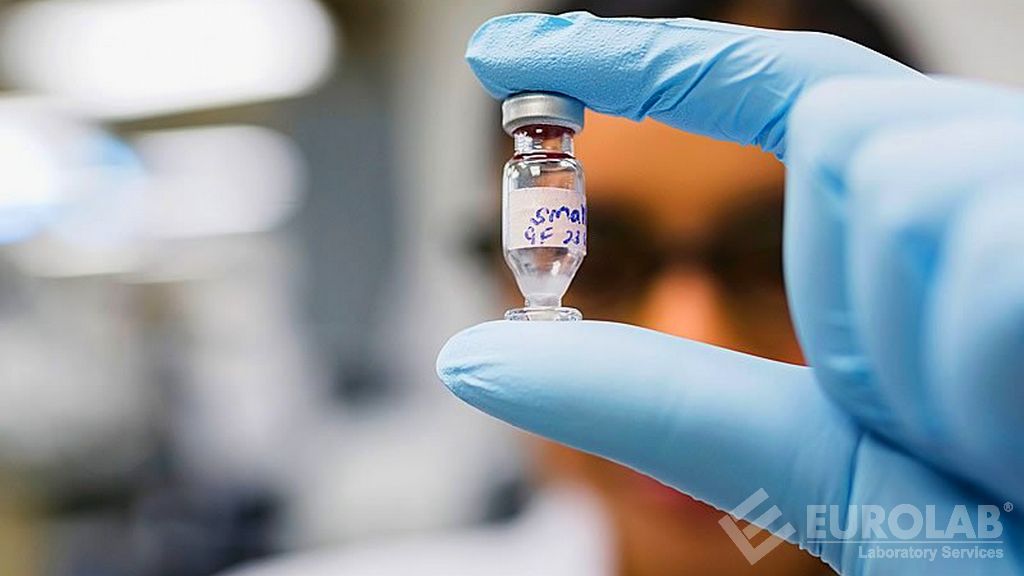
Natamycin is produced by a pure bacterial culture following a strictly controlled fermentation process. After extraction, natamycin is centrifuged, filtered and washed to ensure the purity and quality of the final product. Natamycin is available in both liquid and powder formulations.
Natamycin protects food through a unique mechanism that targets ergosterol in the cell wall. Ergosterol is a building block of yeast and molds, which is responsible for intracellular nutrient transport and is therefore vital. Bacteria have no ergosterol in their outer membrane and they remain unaffected.
Some experts consider natamycin an antibiotic, while others do not. Natamycin is technically called an antibiotic in food preservation because it can inhibit the growth of living organisms, yeast and molds. However, as a natural mold inhibitor it has no effect on bacteria and therefore has nothing in common with the usual medical antibiotics used for bacterial infections. In this respect, natamycin is not recognized as an antibiotic by the World Health Organization (WHO).
In the test, analysis, measurement and evaluation studies carried out in our organization, national and international standards and applicable legal regulations are complied with and reliable and impartial results are obtained. Among the numerous tests performed in this context, there are also natamycin determination services.
To get an appointment, to get more detailed information or to request an evaluation, you can ask us to fill in our form and reach you.

