

Genetically modified organisms (GMOs) have been in the food chain for more than two decades. Today, GMO food production is widely practiced and cultivation areas for GMO products are constantly expanding. More than 80 percent of soybeans and 70 percent of cotton produced in the world today are modified.
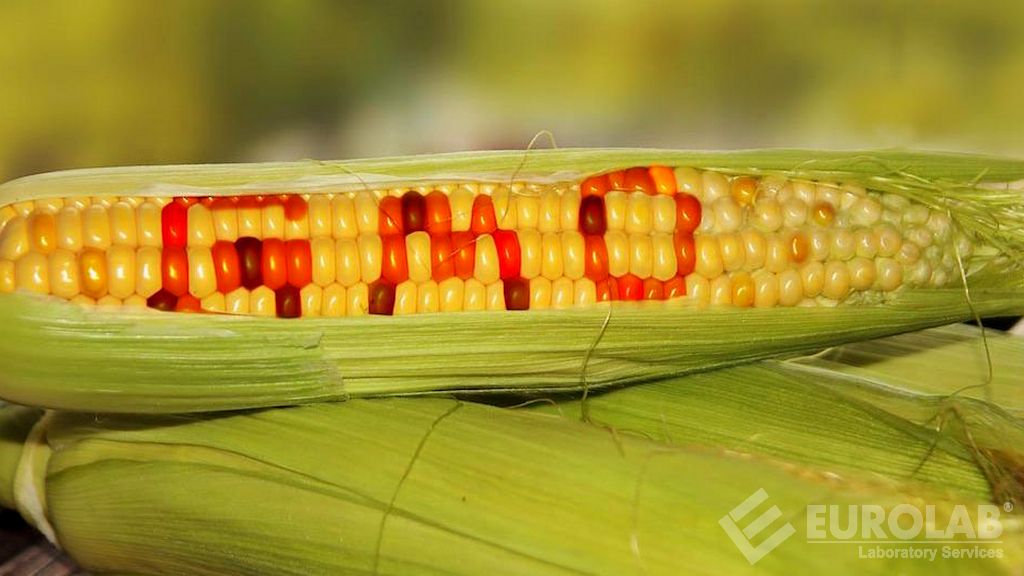
Most of the methods used to detect genetically modified organisms (GMOs) in foods are based on the following two:
Today, in many countries, legal regulations for genetically modified organisms are enacted in order to guarantee the traceability of food and feed products in the market and to protect the consumer's freedom of choice. Therefore, several DNA-based GMO detection strategies have been developed to implement these regulations. Among them, the polymerase chain reaction (PCR) method has numerous advantages and the quantitative PCR method is the most preferred method by advanced laboratories in GMO routine analysis.
However, GMO research is rapidly advancing worldwide, and PCR technology faces some technical hurdles. To overcome these challenges, alternative detection methods have been developed that allow for faster detection of a single genetically modified organism target and the simultaneous detection of multiple genetically modified organism targets.
In the test, analysis, measurement and evaluation studies carried out in our organization, national and international standards and applicable legal regulations are complied with and reliable and impartial results are obtained. Among the numerous tests carried out in this context, there are also GMO detection services in foods.
To get an appointment, to get more detailed information or to request an evaluation, you can ask us to fill in our form and reach you.

