

Honey is frequently adulterated due to improper production practices and incorrect origin labeling. Counterfeiting and adulteration of honey is a serious problem in the markets. For this reason, efforts are being made to develop the characterization methods of honey today. For example, microscopic analysis of pollen grains is a common method to prove the geographical and botanical origin of honey. According to the European Union legal regulations, other test methods include physicochemical analysis, proton nuclear magnetic resonance imaging, sensory analysis, chromatography and electrical language analysis methods. However, these methods consume time and effort. It also requires skilled personnel and long sample preparation time.
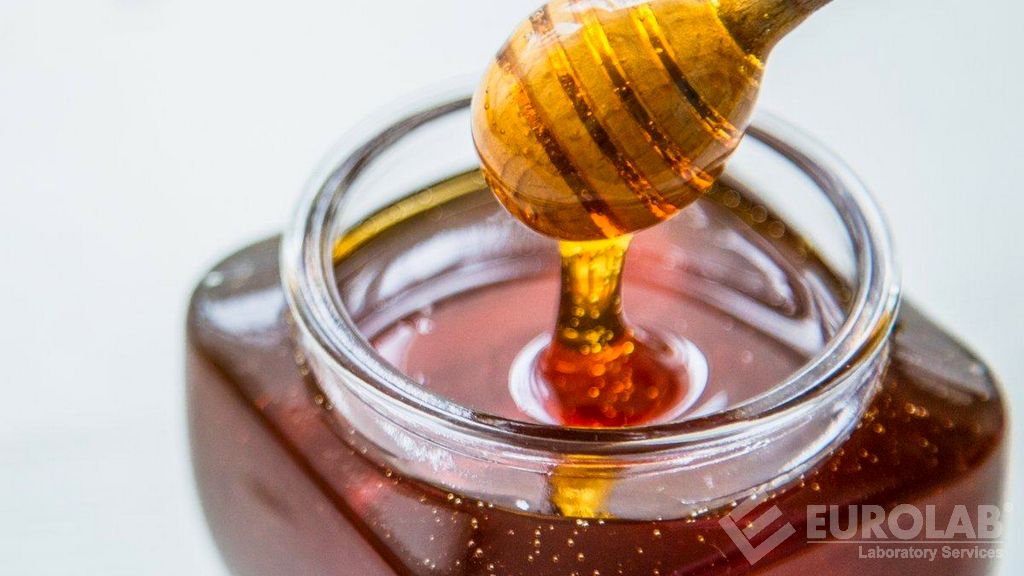
Honey is a pure natural food produced by bees from flower nectar. Its main components are minor components such as different types of carbohydrates, water and pollen grains, proteins, amino acids, lipids, alkaloids, enzymes and flavor components. These components and their concentrations are unique properties of honey. Some of them are determined according to their geographical and botanical origins and define the quality and authenticity of honey.
In general, adulteration in honey is done in two ways. In honey with additives, bees are fed with different sugar syrups during the production phase. In artificial (imitation) honey, honey is produced from different sugar syrups completely chemically.
In our organization, testing, analysis, measurement, and evaluation studies comply with national and international standards and current legal regulations, ensuring reliable and impartial results. These studies are based on state-of-the-art technological equipment, a trained and experienced staff, and modern methods. Among the numerous tests conducted within this scope are services for detecting imitation and adulteration in honey.
To get an appointment, to get more detailed information or to request an evaluation, you can ask us to fill in our form and reach you.

