

Acid-producing microorganisms are ubiquitous in nature, especially in many raw and processed food products. One of the most important industrially important groups of acid-producing bacteria is lactic acid bacteria. Depending on the type of food and application, lactic acid bacteria are considered a beneficial organism or a spoilage organism. Lactic acid bacteria counts are performed to determine the general level of this bacterial group in a particular product or sample.
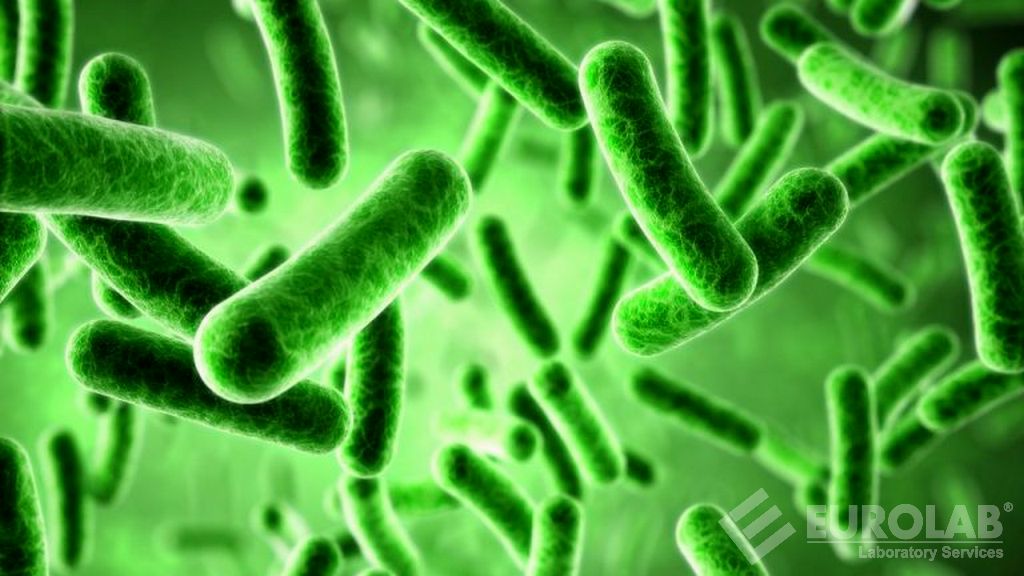
Lactic acid bacteria are a heterogeneous group of bacteria that play an important role in various fermentation processes. They ferment food carbohydrates and produce lactic acid as the main product of fermentation. At the same time, the degradation of proteins and lipids and the production of various alcohols, aldehydes, acids, esters and sulfur compounds contribute to flavor development in different fermented food products.
The main application of lactic acid bacteria is a wide variety of fermented dairy products (i.e. cheese, yogurt and fermented milks) and meat, fish, fruit, vegetable and cereal products. They also contribute to the flavor, consistency and nutritional value of fermented foods. Acceleration of cheese ripening, improvement of yogurt texture and control of secondary fermentations in wine production are examples.
The production of bacteriocins and antifungal compounds has led to the application of bioprotective cultures in some foods. In addition, certain lactic acid bacteria have health-promoting properties.
In the test, analysis, measurement and evaluation studies carried out in our organization, national and international standards and applicable legal regulations are complied with and reliable and impartial results are obtained. Among the numerous tests carried out in this context, lactic acid bacteria counting services are also available.
To get an appointment, to get more detailed information or to request an evaluation, you can ask us to fill in our form and reach you.

