

Food testing is vitally necessary to ensure that food is free from physical, chemical and biological hazards. Examples of potential food contaminants include metals, bacteria, cleaning agents, additives, preservatives, pesticides, and more. Food testing is the scientific analysis of food and its ingredients. These tests are performed to provide information about the various properties of the food, including its structure, composition and physicochemical properties.
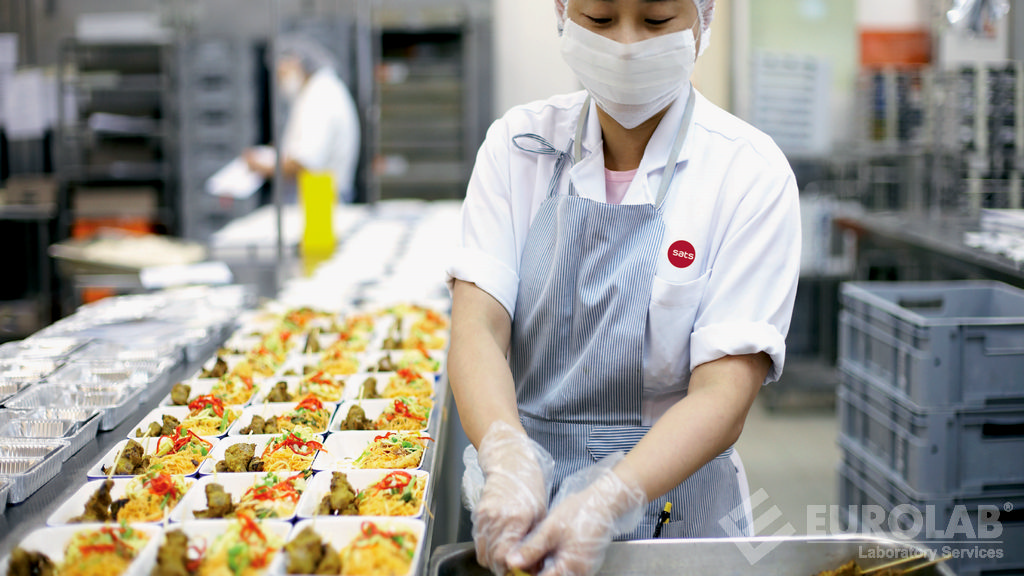
The situation is not different in prepared foods. Prepared foods are foods that are generally produced for immediate consumption. Preparation processes include peeling, cutting, slicing or cooking a food item, other than washing it with water.
Prepared food quality control tests are conducted before, during, and after the production process to determine the quality of food components and the finished product.
Prepared food tests are also carried out to ensure that food producing companies meet certain legal regulations and standards. Prepared foods should have a standard nutrition label. Therefore, it is necessary to analyze the food to verify the claims made.
Ready-made food tests are carried out with advanced laboratory techniques in order to provide accurate information about the nutritional value and safety of food. The most common food product testing methods are: analytical chemistry testing, sensory testing, nutritional analysis, and microbiology testing.
In the test, analysis, measurement and evaluation studies carried out in our organization, national and international standards and applicable legal regulations are complied with and reliable and impartial results are obtained. Among the numerous tests carried out in this context, there are also ready-made food testing services.
To get an appointment, to get more detailed information or to request an evaluation, you can ask us to fill in our form and reach you.

