

Potassium bromate is a compound typically used as a flour improver. The function of potassium bromate is to strengthen the dough and provide higher rise. However, this chemical has been found to cause kidney, thyroid, stomach and intestinal cancer in animals. For this reason, it is thought to be a carcinogen in humans as well. Such substances also have the potential to cause reproductive harm in humans.
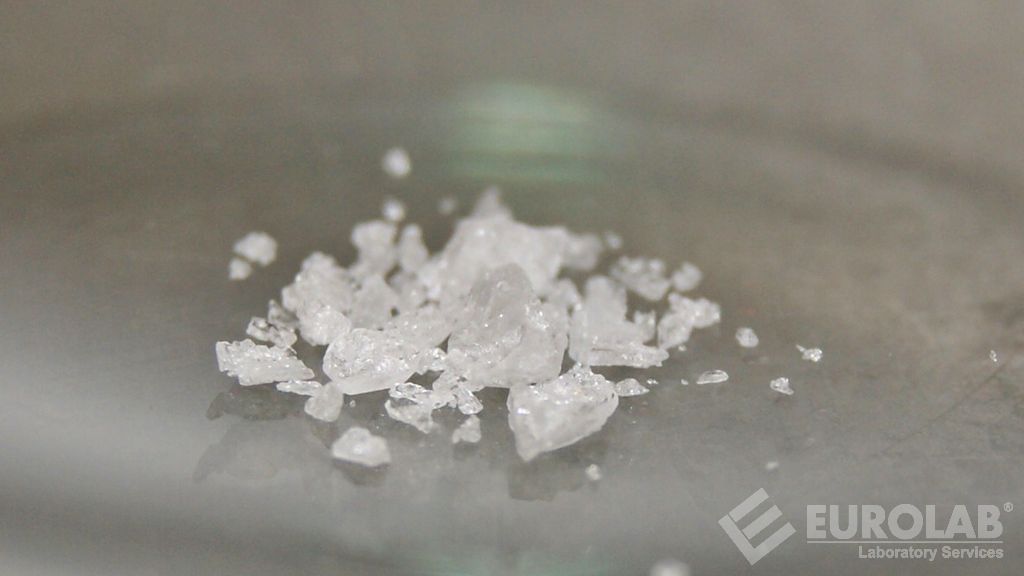
Potassium bromate is a powerful oxidizing agent that chemically ages flour much faster than air. Potassium bromate bleaches the dough and strengthens its molecular structure and increases its elasticity, allowing the formation of small, thin-walled bubbles as the bread rises. The final product is fluffy, soft and unnaturally white.
Studies show that potassium bromate is an unnecessary and potentially harmful food additive and should be avoided. Potassium bromate causes DNA damage, especially in the liver and intestines, causing respiratory disorders and asthma.
Potassium bromate is one of the compounds used as a standard conditioner to improve the dough conditions of weak flours in the bakery industry. Today, a very clear ban has been introduced in the Turkish food codex for the use of additives such as benzoyl peroxide and potassium bromate in the bakery products sector.
In the test, analysis, measurement and evaluation studies carried out in our organization, national and international standards and applicable legal regulations are complied with and reliable and impartial results are obtained. Among the numerous tests carried out in this context, there are also potassium bromate testing services.
To get an appointment, to get more detailed information or to request an evaluation, you can ask us to fill in our form and reach you.

