

Mixing butter with margarine is analyzed by advanced laboratories using chemometric methods. Principal component analysis (PCA) technique is generally used in the classification of butter, margarine and mixtures. Principal component regression (PCR), partial least squares (PLS) and artificial neural networks (ANN) techniques are used to determine the adulteration rates of butter.
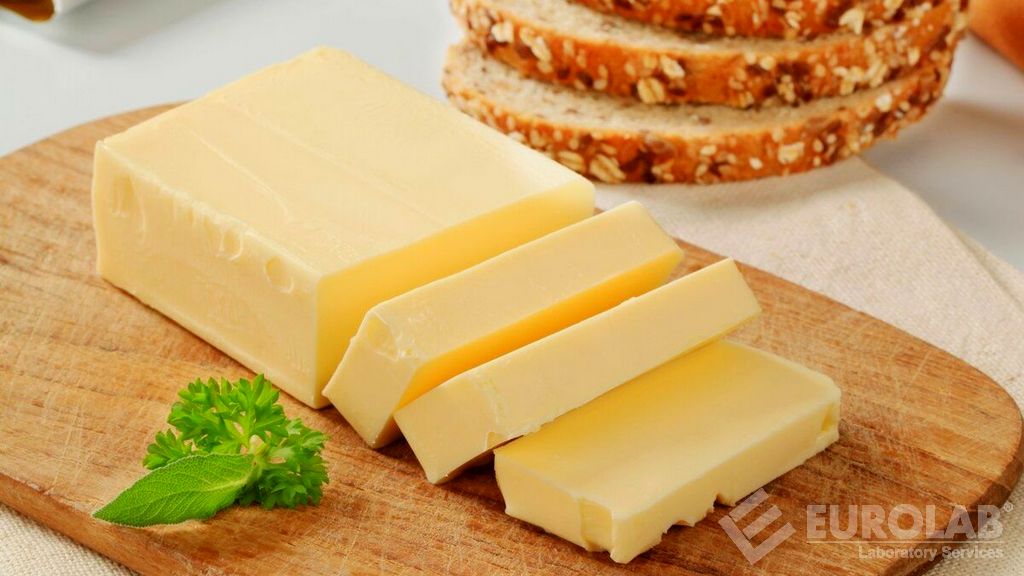
Due to the economic advantages of using cheaper oil instead of expensive milk fat in butter production, imitation and adulteration are a serious problem in butter. Validation of milk fat methods included analysis of triacylglycerols, fatty acids, sterols and tocopherols. Fatty acid and sterol composition is generally determined by gas chromatography-mass spectrometry (GC-MS) technique.
As the harmful effects of margarine in daily nutrition have become known, the demand for butter has increased. Butter is a widely consumed animal-derived food in our country. The cost of butter production is naturally affected by the market. Companies that want to lower their prices and produce more butter using less raw material are resorting to imitation and adulteration practices. The most common adulteration is the use of margarine, corn, sunflower, and palm oils, and various animal-derived fats instead of milk cream. In addition, various additives and food colorings are added to butter.
In the test, analysis, measurement and evaluation studies carried out in our organization, national and international standards and applicable legal regulations are complied with and reliable and impartial results are obtained. Among the numerous tests carried out in this context, there are also imitation and adulteration analysis services in butter.
To get an appointment, to get more detailed information or to request an evaluation, you can ask us to fill in our form and reach you.

