

FAO JECFA Monograph 13, published by the Joint FAO/WHO Expert Committee on Food Additives (JEACF), contains specifications for identity and purity of food additives.
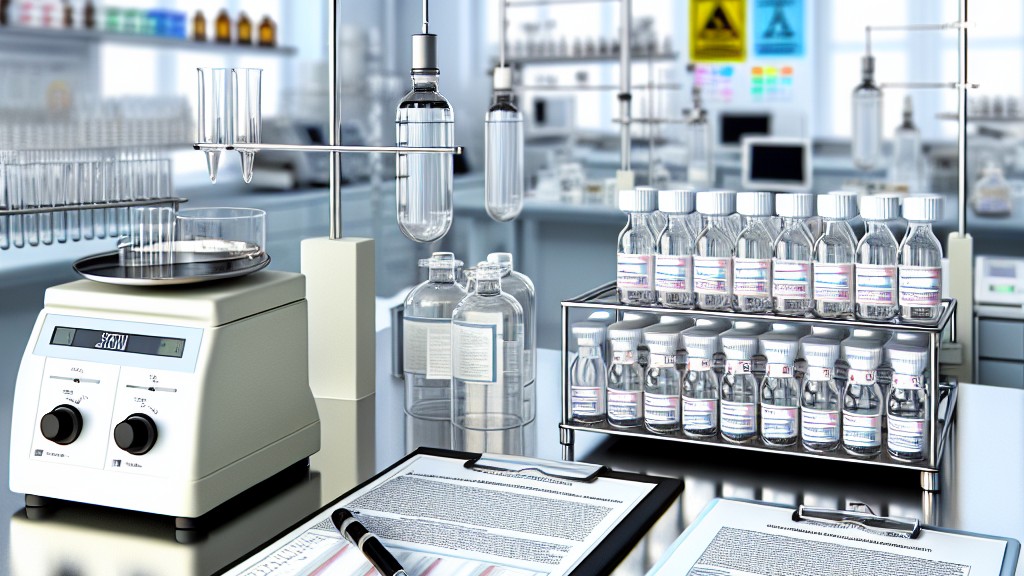
FAO JECFA Monograph 13 consists of four volumes. The first three volumes contain specification monographs on the identity and purity of food additives, while the fourth volume contains the analytical methods, test procedures and laboratory solutions required and referenced in the specification monographs.
In the latest update of this monograph, new or revised specification monographs have been prepared and published for eight food additives:
Ethyl Cellulose
Definition: Ethyl ether of cellulose prepared from wood pulp or cotton by treatment with alkali and ethylation of alkali cellulose with ethyl chloride. The trade substance may be further specified by viscosity. Antioxidants permitted for use in food may be added for stabilizing purposes.
Description: Free-flowing, white to light brown powder.
Analysis result: At least 44 percent and not more than 50 percent of ethoxyl groups on a dried basis.
Functional uses: Tableting aid, binder, filler, diluent for color and other food additives.
Features:
Magnesium Dihydrogen Diphosphate
Description: The acidic magnesium salt of diphosphoric acid. It is produced by slowly adding an aqueous dispersion of magnesium hydroxide to phosphoric acid until a molar ratio of approximately 1:2 between magnesium and phosphorus is reached. The temperature is maintained below 60 degrees during the reaction. Approximately 0,1 percent hydrogen peroxide is added to the reaction mixture, and the slurry is then dried and ground.
Description: White crystals or powder.
Analysis result: Not less than 68,0 percent and not more than 70,5 percent when expressed as phosphorus pentoxide, not less than 18,0 percent and not more than 20,5 percent when expressed as magnesium oxide.
Functional uses: Acidifier, stabilizer and leavening agent.
Features:
Mineral Oil (Medium Viscosity)
Description: A mixture of highly refined paraffinic and naphthenic liquid hydrocarbons with a boiling point above 200 degrees. Obtained from mineral crude oils through various refining steps (e.g. distillation, extraction and crystallization) followed by purification by acid and catalytic hydrogenation. May contain antioxidants approved for food use.
Description: Colorless, transparent, oily liquid, non-fluorescent in sunlight, odorless
Functional uses: Separating agent, glazing agent.
Features:
Modified Starches - Starch Sodium Octenyl Succinate
The degree of substitution of starch sodium octenyl succinate is determined by the amount of acid consumed by the sample during hydrolysis.
In carrying out the procedure, approximately 5.000 g of sample is accurately weighed into a 150-ml beaker and the sample is wetted with a few ml of isopropanol. 25,0 N hydrochloric acid is pipetted into 2,5 ml of isopropanol and the mixture is stirred with a magnetic stirrer for 30 minutes. Using a graduated measuring cylinder, 90 ml of 100 percent isopropanol in water is added and the contents are stirred for another 10 minutes. Filter through a Buchner funnel and the filter cake is washed with 90 percent isopropanol in water until the filtrate is negative for chloride. The filtrate is transferred to a 600-ml beaker, the flask is rinsed and brought to a volume of 300 ml with distilled water. The beaker is placed in a boiling water bath for 10 minutes while stirring the contents. While hot, titrate with 0,1 N sodium hydroxide using phenolphthalein TS as an indicator.
Phytase Expression in Aspergillus Niger from Aspergillus Niger (New)
Sources: Phytase is produced by submerged fed-batch fermentation of a non-pathogenic and non-toxic genetically modified strain of aspergillus niger containing the phytase-encoding gene derived from aspergillus niger. The enzyme is secreted and then isolated from the fermentation broth by filtration to remove biomass and concentrated by ultrafiltration. The enzyme concentrate is subjected to germ filtration and then formulated and standardized to the desired activity using food grade compounds.
Active ingredients: 3-phytase.
Description: Brownish liquid or yellow to light brown powder.
Functional uses: Enzyme preparation. Used to break down phytate, found in plant-derived foods, particularly cereals and legumes, in order to improve mineral bioavailability.
Serine Protease (Chymotrypsin) from Nocardiopsis Prasina Expressed in Bacillus Licheniformis
Sources: Produced by submerged fermentation of a genetically modified, non-pathogenic, non-toxigenic strain of bacillus licheniformis. This strain contains a gene encoding a serine protease with chymotrichin specificity from nocardiopsis prasina. The enzyme is secreted into the broth. Cell mass and other solids are separated from the broth by vacuum drum filtration or centrifugation. Ultrafiltration and evaporation are applied for concentration and further purification. Traces of production strain microorganisms are removed by germ filtration. The final product is formulated using food grade stabilizers and preservatives and standardized to the desired activity.
Description: Brown liquid
Functional uses: It is used in the hydrolysis of proteins such as casein, whey, soy isolate, soy concentrate, wheat gluten and corn gluten, and in the production of partially or extensively hydrolyzed proteins of plant and animal origin.
Trypsin-Specific Serine Protease from Fusarium Oxysporum Induces Expression in Fusarium Venenatum
Sources: Produced by submerged fermentation of a genetically modified, non-pathogenic, non-toxigenic strain of Fusarium venenatum containing a gene encoding a trypsin-specific serine protease from Fusarium oxysporum. The enzyme is secreted into the broth. Cell mass and other solids are separated by vacuum drum filtration or centrifugation and secreted into the fermentation broth. Ultrafiltration and evaporation are applied for concentration and further purification. Traces of production strain microorganisms are removed by germ filtration. The final product is formulated using food grade stabilizers and preservatives and standardized to the desired activity.
Description: Brown liquid.
Functional uses: Enzyme preparation. Used in the production of partially or extensively hydrolyzed proteins of plant and animal origin. These hydrolyzed proteins can be used in a variety of applications as ingredients in foods and beverages, for protein fortification or as components providing functional effects such as emulsification or flavor enhancement.
Titanium Dioxide
Description: Titanium dioxide is produced by the sulfate or chloride process. The processing conditions determine the form of the final product (anatase or rutile structure). In the sulfate process, sulfuric acid is used to digest ilmenite or ilmenite and titanium slag. After a series of purification steps, the isolated titanium dioxide is finally washed with water, calcined and micronized.
In chloride processes,
Our organization has a strong workforce that closely follows global developments in science and technology and continuously strives for self-improvement. Among the numerous tests, measurements, analyses, and evaluations provided for businesses across various sectors are testing services compliant with JECFA food additive standards.
To get an appointment, to get more detailed information or to request an evaluation, you can ask us to fill in our form and reach you.

