

Detecting counterfeiting and adulteration in olive oil is not impossible, but it is a difficult task even for experts. Detection of adulteration needs to be approached with a series of costly tests. The only way to determine whether an olive oil is counterfeit or adulterated is through a series of physical and chemical tests in accordance with highly technical standards.
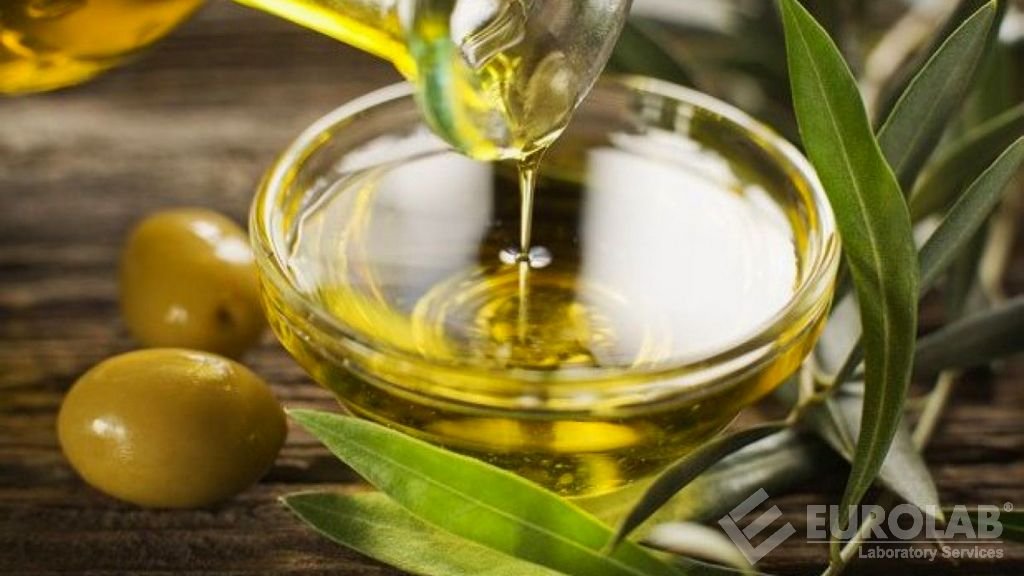
Extra virgin olive oil is the best when it comes to olive oil. But olive oil is one of the most scammed foods, and many products claim to be the highest quality olive oil even though it doesn't meet the required standards for extra virgin olive oil. Extra virgin olive oil is number one for its health benefits and superior taste, but it's also the biggest victim of food fraud.
For fraudsters, the profits from olive oil forgery are enormous. In the mid-90s, the earnings from counterfeit and adulterated olive oil were almost comparable to those from cocaine smuggling.
Extra virgin olive oil is obtained directly from the olive and only by mechanical means, and no chemicals are used while extracting the oil from the olive, and it is not refined after the oil is extracted. As a quality control, extra virgin olive oil undergoes two tests:
Both tests are important in evaluating olive oil quality and possible adulteration.
In the test, analysis, measurement and evaluation studies carried out in our organization, national and international standards and applicable legal regulations are complied with and reliable and impartial results are obtained. Among the numerous tests carried out in this context, there are also imitation and adulteration testing services in olive oil.
To get an appointment, to get more detailed information or to request an evaluation, you can ask us to fill in our form and reach you.

