

Mycotoxins are secondary metabolites synthesized by various fungal species. They are toxic and have a significant impact if they enter production and the food chain. Mycotoxins attract worldwide attention due to their effects on human health, great economic losses, and effects on domestic and foreign trade. Over 400 mycotoxins have been identified to date, but the most focused on food safety and economic losses are: aflatoxins, ochratoxin A, fusarium toxins, and fumonisin.
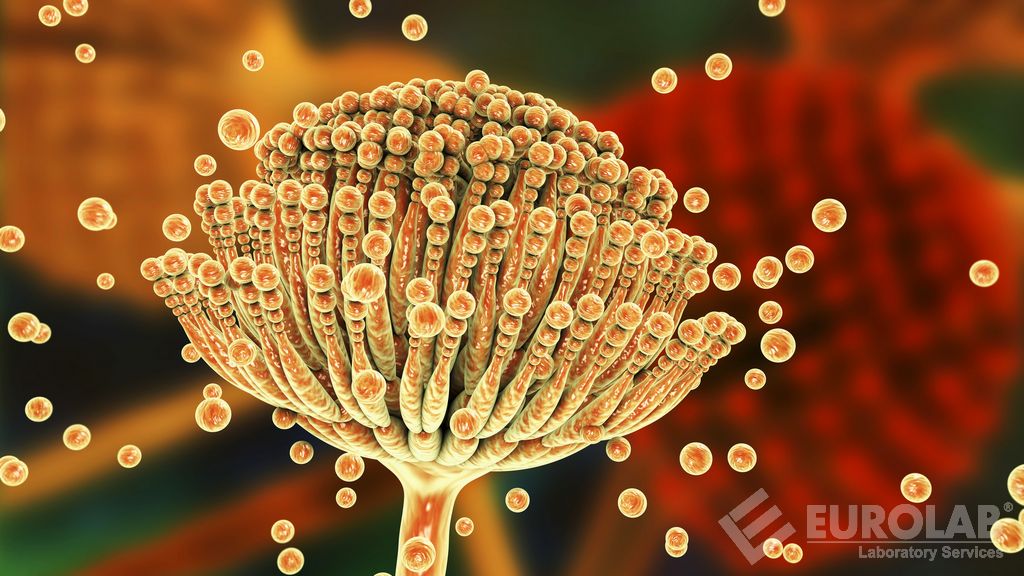
The harvesting method of agricultural products is one of the most important reasons for the contamination of the products with mold. Improper storage, transportation and marketing also cause mold growth and synthesis of mycotoxins. Mycotoxin can occur in food and agricultural products at any stage of production, processing, transportation and storage through many contamination ways. Factors affecting mold growth and mycotoxin production are temperature, relative humidity, fungicides or fertilizers, interaction between colonizing toxigenic fungal species, extraction type and nutritional factors, geographic location, genetic requirements, and insect infestation.
Prevention of mold contamination and synthesis of mycotoxins are essential for food safety in the food industry.
In the test, analysis, measurement and evaluation studies carried out in our organization, national and international standards and applicable legal regulations are complied with and reliable and impartial results are obtained. These studies are based on the latest technological equipment, trained and experienced staff and modern methods. Among the numerous tests carried out in this context, there is also the determination of contaminants - mycotoxin determination services.
To get an appointment, to get more detailed information or to request an evaluation, you can ask us to fill in our form and reach you.

