

Fruit juices and some foods contain carboxymethyl cellulose (CMC) as a thickener and thickener. However, cellulose gum cannot be digested and the stomach and intestines cannot break it down and absorb it. Sodium carboxymethyl cellulose, known as cellulose gum for short, is a type of stabilizer and thickener used in foods such as milk, ice cream, and some baked goods. On the other hand, this compound is also used in laundry detergents, chemicals, paper and ink making, dyeing and oil drilling.
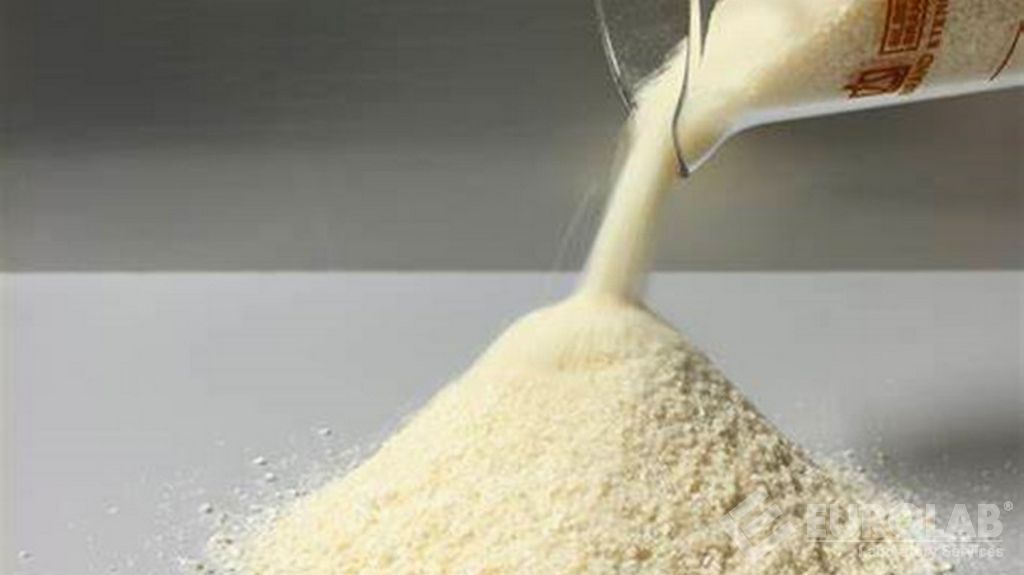
Carboxymethyl cellulose is odorless, non-toxic and biodegradable. In the food industry, it is widely used in ice cream, bakery foods, beer, cream, puddings, fruit juices, confectionery, certain dairy products, cream cheese, jam, marmalade, fruit pies, baked goods and diet products.
In short, carboxymethyl cellulose, used to make foods fat-free, thick, and creamy, creates a feeling of fullness in people trying to reduce fat intake or following a low-fat diet. It also helps suppress appetite.
Cellulose gum is versatile. It is used not only in food products, but also in the manufacture of toothpaste and medicine. It is a very useful additive that acts as a stabilizing and thickening agent.
In the test, analysis, measurement and evaluation studies carried out in our organization, national and international standards and applicable legal regulations are complied with and reliable and impartial results are obtained. These studies are based on the latest technological equipment, trained and experienced staff and modern methods. Among the numerous tests performed in this context, there are also CMC (carboxymethyl cellulose) screening services.
To get an appointment, to get more detailed information or to request an evaluation, you can ask us to fill in our form and reach you.

