

Vitamin B1 is among the major water-soluble vitamins found in the content of any food item such as food, beverage or raw material. B vitamins are a group of water-soluble vitamins that are part of many chemical reactions in the body.
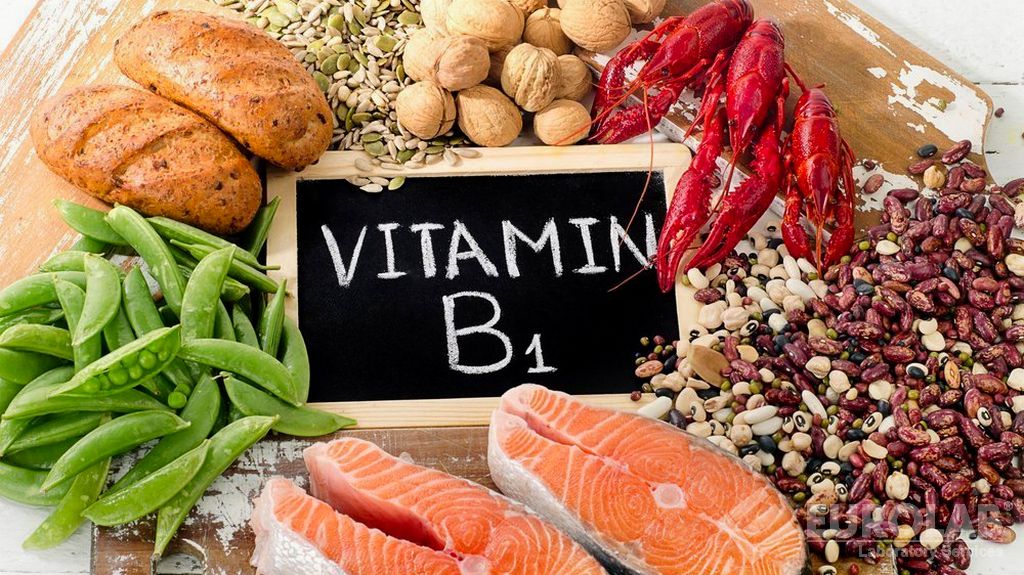
Vitamin B1, also known as thiamine, helps body cells convert carbohydrates into energy. The main role of carbohydrates is to provide energy to the body, especially the brain and nervous system. Thiamine also plays a role in muscle contraction and transmission of nerve signals. Thiamine (vitamin B1) is also necessary for glucose metabolism.
Vitamins are grouped according to the substances in which they dissolve. Some are soluble in water and some are soluble in oil. Water-soluble vitamins are transported through the bloodstream and excreted in the urine.
High concentrations of vitamin B1 are found in the outer layers and seeds of cereals, as well as in yeast, beef, pork, nuts, whole grains and legumes. Fruits and vegetables containing vitamin B1 include cauliflower, liver, oranges, eggs, potatoes, asparagus and cabbage. Breakfast cereals and products made with white flour or white rice are enriched with B vitamins.
In our organization, testing, analysis, measurement, and evaluation studies comply with national and international standards and current legal regulations, ensuring reliable and impartial results. These studies are based on state-of-the-art technological equipment, a trained and experienced staff, and modern methods. Among the numerous tests conducted within this scope are analyses of food product follow-on formulas and vitamin B1 (thiamine or its salts).
To get an appointment, to get more detailed information or to request an evaluation, you can ask us to fill in our form and reach you.

