

The DIN 911 standard, published by the German Institute for Standardization (DIN) , describes the requirements for hexagonal socket wrenches. These requirements are listed under the following headings in the standard:
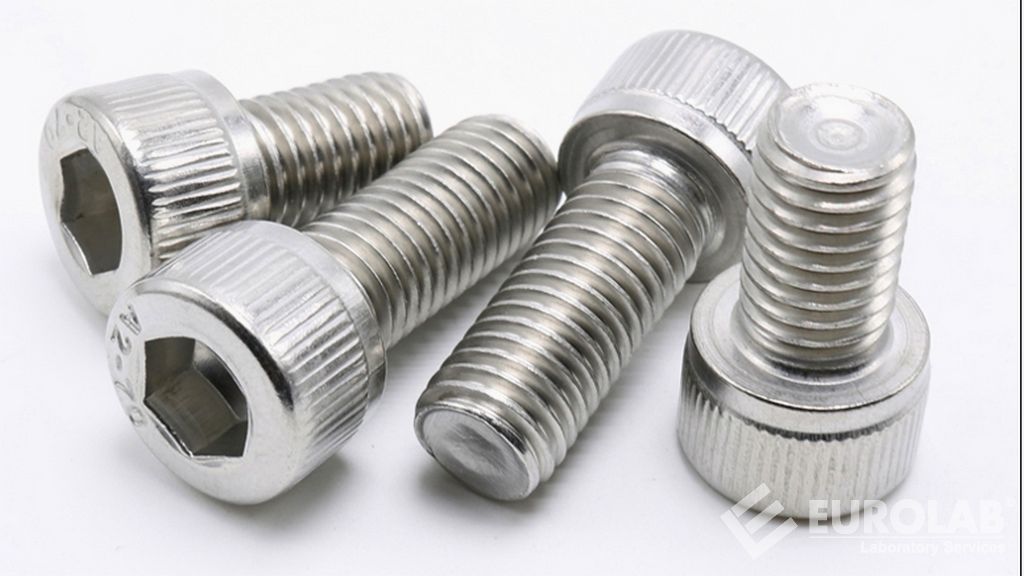
Similarly, the ISO 2936 standard, published by the International Organization for Standardization (ISO), describes the requirements for the dimensions, designation, and marking of hexagonal socket wrenches and defines a test method (ISO 2936 Assembly tools for screws and nuts - Hexagonal socket wrenches). This standard also includes the minimum Rockwell hardness values that must be met. The specifications described in this standard apply to tightening hexagonal socket screws for a hardness class equal to or lower than 12,9 as defined in ISO 898-1 and to tightening socket set screws as defined in ISO 898-5 . Hexagonal socket wrenches are listed in the ISO 1703 standard.
A hex key (or hex key) is a simple driver for head bolts or screws with internal hex recesses (sockets). Hex wrenches consist of a single piece of solid steel hex bar with blunt ends that fit tightly into similarly shaped screw slots.
In short, a hex wrench is a simple tool used to drive bolts and screws with a hex socket on their heads. They are produced in a wide variety of shapes, from standard wrenches in chrome vanadium steel to extra-long wrenches with ballpoint heads made of chrome molybdenum steel. There is practically no difference between an allen key and a hex screwdriver.
Our organization, among the numerous test, measurement, analysis and evaluation studies it has given for businesses in various sectors, with its trained and expert staff and advanced technological equipment, within the scope of the DIN 911 standard, for hexagon socket wrenches and within the scope of ISO 2936 standard, for mounting screws and nuts. tools also provides testing services for hex socket wrenches.
To get an appointment, to get more detailed information or to request an evaluation, you can ask us to fill in our form and reach you.

