

Genuine leather is a raw material obtained from the skin of an animal by tanning and similar processes. Accordingly, if the product is not derived from an animal skin or hide, it is wrong to call it leather. Whereas, PVC products are generally marketed as synthetic or artificial leather. Synthetic materials with leather-like properties are often incorrectly called artificial leather.
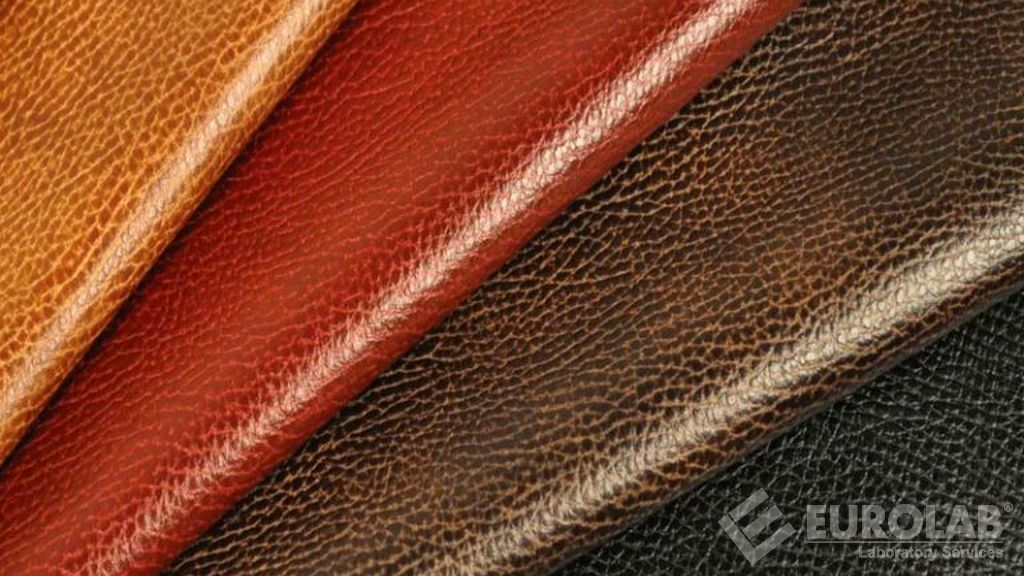
Artificial leather, also known as synthetic, imitation, vegan or polyurethane leather, is a synthetic material that retains the appearance of leather but is not derived from animal hide or hide like real leather. Synthetic material consists of natural or synthetic fibers coated with a plastic polymer or the like. Synthetic material is usually made of polyurethane, polyvinylchloride (PVC) or textile-polymer composite microfiber.
Both genuine leather and faux leather are chemically treated to produce it. This means that neither material is readily biodegradable. However, since leather is produced from an organic material, it has a higher biodegradation capacity at the end of the product life. However, PVC is the type of plastic that harms the environment the most.
Both materials go through chemically intensive processes in their manufacture, and in most cases the finishes are nearly identical. For this reason, potentially harmful chemical processes are also used in artificial leathers.
In the test, analysis, measurement and evaluation studies carried out in our organization, national and international standards and applicable legal regulations are complied with and reliable and impartial results are obtained. Among the numerous tests carried out in this context, there are also artificial leather testing services.
To get an appointment, to get more detailed information or to request an evaluation, you can ask us to fill in our form and reach you.

