
The DIN 930 standard, published by the German Institute for Standardization (DIN), describes the requirements for 310S stainless steel hexagonal head bolts. These requirements are listed under the following headings:
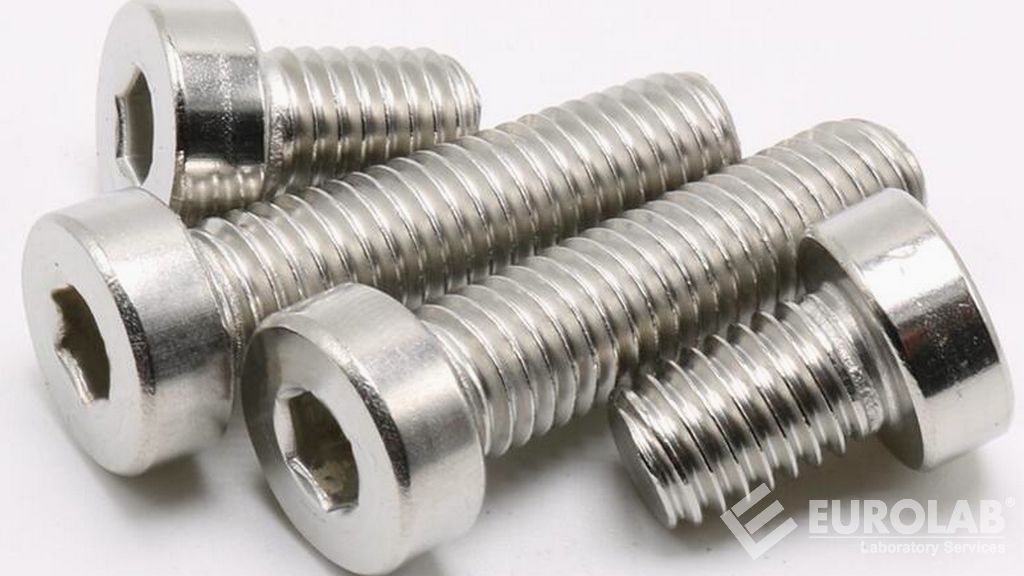
Stainless steel hexagonal head bolts are large, six-sided hexagonal head bolts used for fastening wood to wood or metal to wood. They tend to rotate as you tighten them, so you need to hold the bolt head with a socket or wrench and tighten or loosen the nut with a second wrench.
Due to the chromium content, stainless steel hex head bolts are extremely resistant to corrosion. These bolts have features such as high strength and durability, high and low temperature resistance, easy fabrication and increased formability, low maintenance, long life and attractive appearance, they are environmentally friendly and recyclable. For projects such as bridges, docks, highway structures and buildings, steel is seen as useful for many different applications, such as fixing wood and other building materials. These bolts have high ductility and high work hardening rates, allowing them to be formed using demanding processes such as deep drawing.
Stainless steels for 310S stainless steel hex head bolt are divided into three groups as austenitic, ferritic and martensitic. Austenitic steel is by far the most common type (more than 90 percent of commercial fasteners). Steel groups and strength classes are indicated with four-digit letters and numbers as shown in the table in the standard. The DIN EN ISO 3506 standard contains the requirements for screws and nuts made of stainless steel.
Among the numerous test, measurement, analysis and evaluation studies it provides for businesses in various sectors, our organization also provides testing services for 930S stainless steel hex head bolts within the scope of DIN 310 standard, with its trained and expert staff and advanced technological equipment.
To get an appointment, to get more detailed information or to request an evaluation, you can ask us to fill in our form and reach you.

