

The European standard “EN 1751 Building ventilation - Air terminal devices - Aerodynamic testing of dampers and valves” describes the testing and rating methods for dampers and valves used in air distribution systems with pressure differences up to 2.000 Pa.
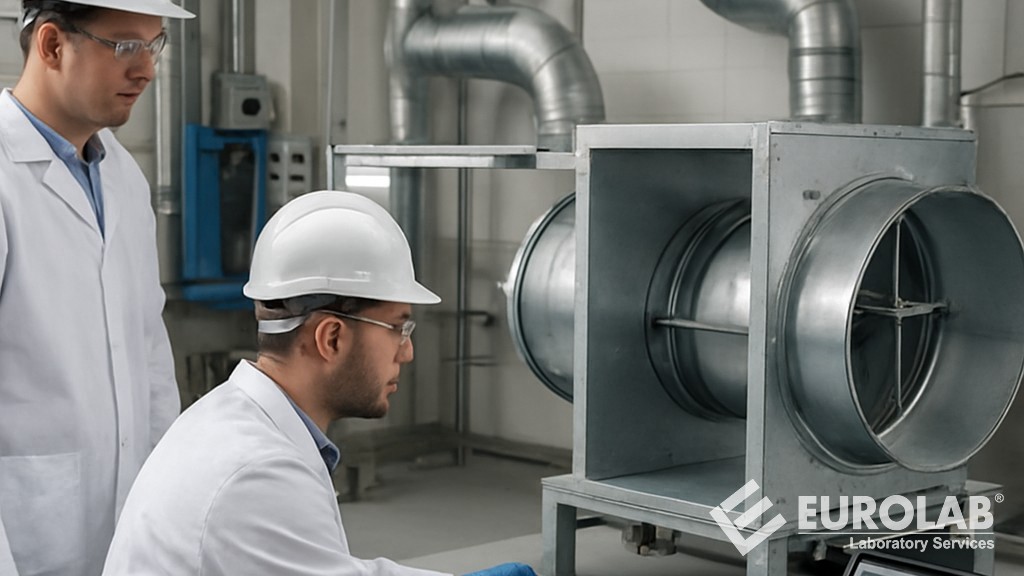
The tests included in this standard address the following:
The tests mentioned above are applicable to the following:
This standard does not apply to acoustic testing of dampers and valves. Certain aspects of the dynamic performance of dampers or valves depend on the air distribution system to which they are connected and are therefore difficult to measure in isolation. Such considerations have led to the exclusion of these aspects of dynamic performance measurement from this document. Furthermore, as with other air distribution components, if the damper or valve is located in an area with irregular flow, the results obtained from tests performed in accordance with this standard may not be directly applicable.
In modern building design and construction, efficient ventilation systems are vital for ensuring indoor air quality, energy savings, and occupant comfort. At the heart of these systems are air terminal devices such as dampers and valves that regulate airflow, control pressure, and maintain system integrity. Standard testing protocols are essential to guarantee their performance. This is where the EN 1751 standard, which includes aerodynamic testing methods for these critical components, comes into play.
The EN 1751 standard provides a harmonized framework for evaluating the functionality and efficiency of dampers and valves used in building ventilation networks. Adopted across Europe and beyond, this standard enables manufacturers, engineers, and installers to ensure their products meet stringent performance criteria, contributing to safer and more sustainable buildings.
The scope of the EN 1751 standard is specifically adapted to low and medium pressure ventilation systems where differential pressures generally do not exceed 2.000 Pa. This standard applies to a wide range of air terminal devices, including:
This standard focuses on aerodynamic, sealing, torque, and thermal properties, excluding acoustic testing. This narrow but deep focus ensures that ventilation components operate reliably under operational stresses without compromising energy efficiency or system stability.
The EN 1751 standard defines a series of precise and repeatable tests for evaluating the performance of dampers and valves. These methods are designed to simulate real-world conditions in duct systems, using controlled airflow assemblies conforming to ISO 5167 and similar standards for flow measurement. Some of the key tests are as follows:
These tests are performed in accredited laboratories using specially designed equipment that ensures smooth inlet conditions by preventing deviations caused by turbulent flow. This standard emphasizes that the results may not be directly applicable in non-smooth flow scenarios, such as near bends or fans.
One of the strengths of the EN 1751 standard is its leak classification system (Annex C), which simplifies product selection. Devices are rated AD according to their leakage volume at specified pressures:
Higher grades typically require tighter manufacturing tolerances, often using advanced sealing materials such as silicone or inflatable gaskets.
For many years, our organization, with its competent and experienced staff, has been understanding the needs of its clients, providing the advanced testing services they require, and assisting in the establishment, implementation, and improvement of management systems. Within this framework, we also provide testing services to businesses in accordance with the "EN 1751 Building ventilation - Air terminal equipment - Aerodynamic testing of dampers and valves" standard.
To get an appointment, to get more detailed information or to request an evaluation, you can ask us to fill in our form and reach you.

