

The European standard “EN 263:2008 Sanitary appliances - Cross-linked cast acrylic sheets for domestic bathtubs and shower trays” describes the requirements and test methods for cross-linked cast acrylic sheets from which domestic bathtubs and shower trays are manufactured.
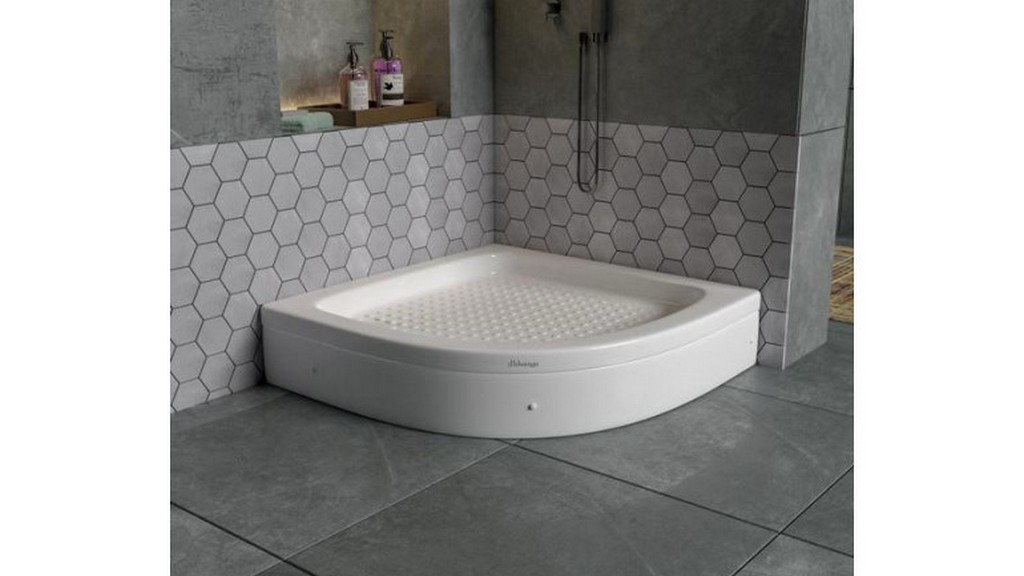
For the purposes of this standard, the term domestic includes use in hotels, student accommodation, hospitals and similar buildings except where special medical arrangements are necessary.
Acrylic sheet must meet the following requirements:
Acrylic sheet must also meet the following requirements:
When determining the tensile strength, the test specimen shall be of type 527B according to EN ISO 2-1. The thickness of the test specimen shall be the thickness of the sheet metal from which it is cut. The test shall be carried out at a temperature of 23°C plus/minus 2°C and the test specimens shall be conditioned to this temperature for at least two days prior to testing. The test speed shall be 5 mm/min plus/minus 1 mm/min. The average of the five determinations shall be recorded as the tensile strength of the material, however, if a test specimen breaks in the grips, the result shall be disregarded and another determination shall be made. The tensile strength shall be calculated by dividing the breaking load by the cross-sectional area of the specimen prior to testing.
When determining thermal stability, two 300 mm square sheets of acrylic sheet are hung in a circulating oven for 200 minutes at 5 degrees plus/minus 20 degrees when the nominal temperature is reached. The sheets are then removed from the oven, hung vertically and allowed to cool to room temperature. The presence of bubbles is then visually inspected. If bubbling occurs, the test is repeated using two new samples that have been pre-conditioned for 80 hours at 2 degrees plus/minus 16 degrees.
In determining colour fastness to hot water, a test sample of 100 mm x 25 mm is cut from acrylic sheet and fixed to a suitable carrier. The test sample is immersed in a water bath maintained at 30 degrees plus/minus 60 degrees for 2 minutes, removed and allowed to air dry for 30 minutes. This cycle is repeated one hundred times without interruption. The test sample is allowed to dry for 48 hours before being compared with a sample of the sheet from which it was cut. The colour fastness of the material is recorded in terms of the grey scale used to assess colour change as specified in standard EN 20105-A02.
Among the numerous tests, measurements, analyses and evaluations our organization has carried out for businesses in various sectors, our organization also provides testing services defined in the standard “EN 263:2008 Sanitary installations - Cross-linked cast acrylic sheets for domestic bathtubs and shower trays” with its trained and expert staff and advanced technological equipment.
To get an appointment, to get more detailed information or to request an evaluation, you can ask us to fill in our form and reach you.

