
Printed circuit board (PCB, print circuit board) are plates made of different insulating materials with conductive paths and partitions on the surface and solder-coated holes between the surfaces for mounting electronic circuit elements. The PCB manufacturing process includes many steps, from bare plate production to assembly and packaging. As part of PCB assembly, there are different types of PCB solders used to assemble components. Different solders have different mechanical properties, safety considerations, and disposal concerns that must be considered when planning for assembly. With the transition to lead-free electronics, the most common type of solder today is lead-free (tin-copper) resin core solder.
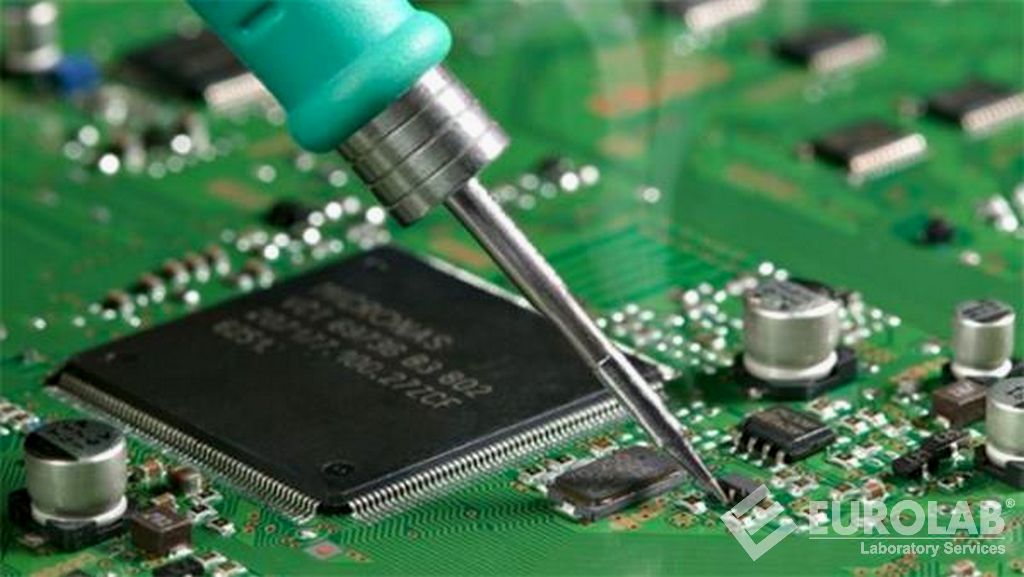
There are many different types of solder and PCB soldering materials on the market today. Solders are used to make electrical connections between metal contacts by allowing molten solder, a soft alloy, to form a melting point that fuses as it cools. The mixture of metals that make up a solder determines its mechanical strength after solidification, the required melting temperature, and the fumes emitted during soldering. Types of PCB soldering materials are distinguished by core material, metallic components and solder flux types.
Lead solder mixes are known as soft solders and the electronics industry started with it. It has a melting point of around 180-190 degrees and a shelf life of about 2 years. Common lead-based solder alloys include:
Tin is mainly used as the base metal as it gives the alloy a lower melting point and lead inhibits the growth of tin hairs. A higher tin concentration gives the solder joint higher shear and tensile strength. The silver component provides lower contact resistance and corrosion resistance. Other types of solder exist, but they are not used in PCB boards as they are not compatible with the PCB manufacturing process.
Among the numerous test, measurement, analysis and evaluation studies it provides for businesses in various sectors, our organization also provides solder and component quality testing services on PCB boards with its trained and expert staff and advanced technological equipment.
To get an appointment, to get more detailed information or to request an evaluation, you can ask us to fill in our form and reach you.

