

Metric hexagonal weld nuts, defined in the DIN 929 standard published by the German Institute for Standardization (DIN), have three equally spaced weld protrusions for solid contact with the weld surface. The protrusions help accommodate uneven weld surfaces. It also features a precision pilot for accurate positioning and threading of mating components and to protect threads from weld spatter. Hexagonal weld nut sizes are manufactured in stainless steel with diameters ranging from M3 to M16.
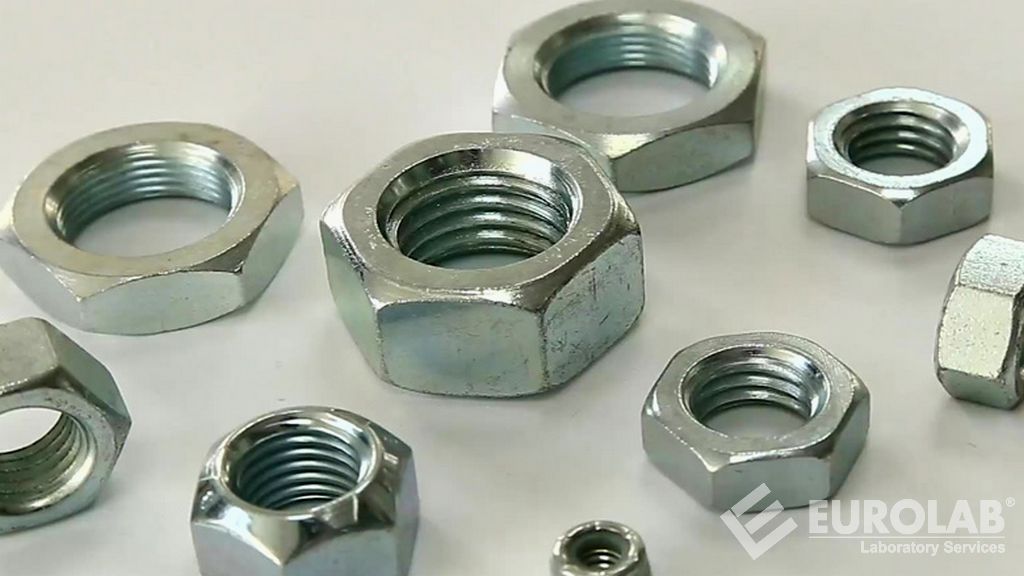
The requirements in the DIN 929 standard are under the following headings:
Stainless steels for hexagonal weld nuts are divided into three groups: austenitic, ferritic, and martensitic. Austenitic steel is by far the most common type (over 90% of commercial fasteners). Steel groups and strength classes are indicated by four-digit letters and numbers, as shown in the table included in the standard. The DIN EN ISO 3506 standard contains the requirements for screws and nuts made of stainless steel.
Hexagon weld nuts are used to weld the nut to a base material. These nuts have small three-leg tabs that are used to weld the nut into the material. The protrusions also help keep the main surface uneven, but the main ensures that the nut is fixed flat to the surface. These nuts have a pilot hole that allows precision threading while being placed in the correct position on the surface. Because these nuts are welded into place, it is important to pre-mark and determine their location.
Welding nuts have a high torque value, so they can be used safely in applications that require them to withstand high pressure. These nuts are used even in heavy-duty industrial applications. Therefore, they can easily withstand high pressure situations. Nuts made of stainless steel, carbon steel and alloy steel are corrosion resistant.
Our organization also provides testing services for hexagonal welding nuts within the scope of DIN 929 standard, with its trained and expert staff and advanced technological equipment, among the numerous test, measurement, analysis and evaluation studies it provides for businesses in various sectors.
To get an appointment, to get more detailed information or to request an evaluation, you can ask us to fill in our form and reach you.

