

The ECE R118.04 standard, published by the European Economic Commission, "Uniform requirements concerning the combustion behavior and fuel or lubricant propulsion of materials used in the construction of certain categories of motor vehicles," describes test methods for evaluating the fire safety and fuel propulsion properties of materials used in vehicles such as buses (Category M3, Classes II and III).
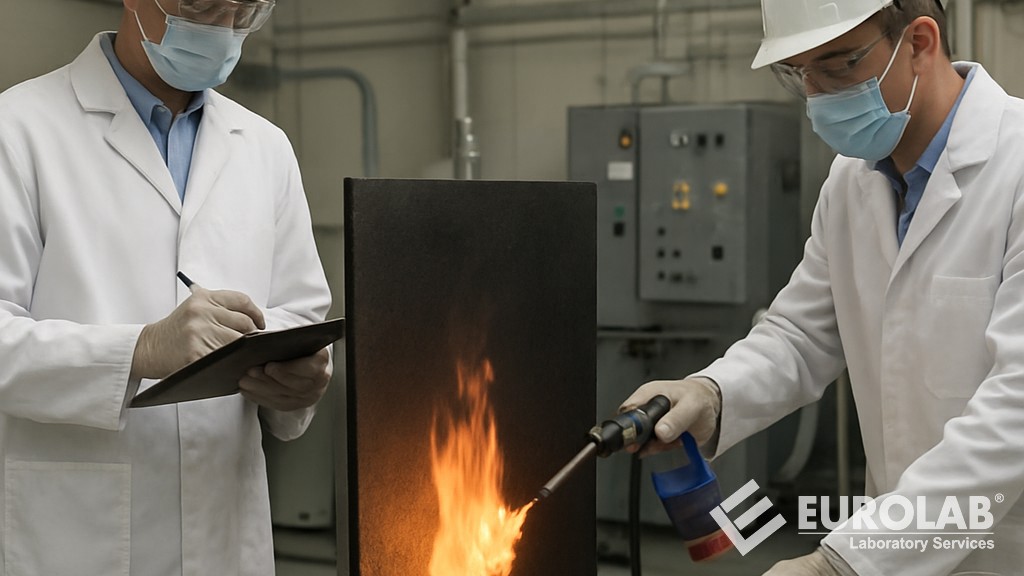
The ECE R118.04 certification was developed to ensure the fire safety of materials used in vehicle interior upholstery, insulation, and other interior structural elements. This standard aims to improve the overall fire safety of vehicles by determining whether these materials meet specific standards.
Tests conducted under this standard evaluate how materials react to different fire scenarios under specific laboratory conditions. During the tests, materials are exposed to various heat and flame sources, and their flammability factor is analyzed. Obtaining this certification proves that a material not only meets standard fire safety requirements but also demonstrates high performance. Therefore, the ECE R118.04 test certificate offers a significant safety guarantee for vehicle manufacturers and consumers.
The ECE R118.04 standard includes a series of comprehensive and rigorous procedures to evaluate the fire safety performance of interior vehicle materials. The testing process involves exposing the material to different heat and flame sources and measuring the speed at which the flame spreads through the material. These parameters are used to determine how fire-resistant the material is and to what extent it meets interior vehicle safety standards. In flame spread testing, the speed and distance of flame spread are measured after the material has been in contact with flame for a specific period of time.
The ECE R118.04 test certificate is a critical document demonstrating the fire safety reliability of vehicle interior materials. Successful completion of these tests indicates that the products meet international fire safety standards. Products with this certificate provide an extra layer of safety for vehicle manufacturers and users. ECE R118.04 certified materials maximize passenger safety in vehicle fires while also preventing the spread of fire, thus averting larger disasters.
The test methods defined in the ECE R118.04 standard are as follows:
The following points apply to all tests:
The ECE R118.04 standard specifies critical temperatures for evaluating the combustion safety and fuel/oil propulsion properties of materials used in certain motor vehicles. This standard is considered important for the following reasons:
In short, the ECE R118.04 standard evaluates the lifespan of materials used in passenger buses, fuel/oil resistance, and the maintenance of electrical wiring, ensuring both passenger ride duration and the long-term lifespan of the vehicles. This standard minimizes combustion risks and encourages the use of high-quality, safe materials.
For many years, our organization, with its competent and experienced staff, has been understanding the needs of its clients, providing the advanced testing services they require, and assisting in the establishment, implementation, and improvement of management systems. Within this framework, we also provide testing services to businesses in accordance with the "ECE R118.04 Uniform requirements concerning the combustion behavior and fuel or lubricant propulsion of materials used in the construction of certain categories of motor vehicles" standard.
To get an appointment, to get more detailed information or to request an evaluation, you can ask us to fill in our form and reach you.

