
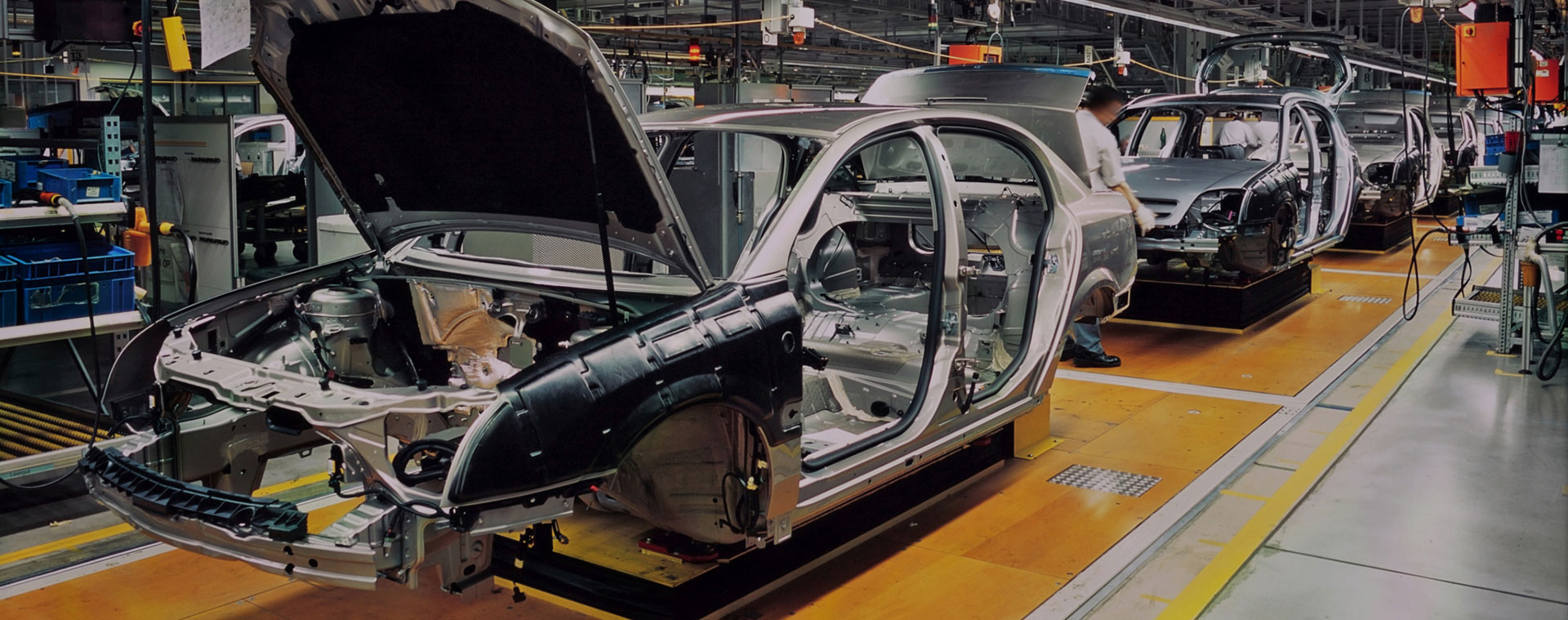
UN ECE R118 tests are carried out in accordance with the relevant regulation for the evaluation of the combustion behavior (ignition, burning rate and melting behavior) of interior materials used in M22, Class II and III category vehicles carrying more than 3 passengers, standing passengers and not designed for urban use. It covers a series of tests.
ECE regulations define cross-border technical regulations for establishing approval or uniform approval procedures for motor vehicles and motor vehicle parts. Automated commercial vehicles are already fully eligible for approval only through appropriate individual measures in the country in which they will be used. What is missing is a set of rules at the international ECE level.
Regulation 118 of the United Nations Economic Commission for Europe (UN/ECE) — It covers the uniform technical guidelines on the combustion behavior of materials used in the interior construction of certain categories of motor vehicles and the tests applied accordingly.
Testing of materials to determine the horizontal burning rate: Five samples in the case of an isotropic material or ten samples (five in each direction) in the case of a non-isotropic material should be tested. Samples shall be taken from the material under test. For materials with different burn rates in different material directions, each direction should be tested. Samples will be taken and placed in the test apparatus to measure the highest burning rate.
Testing of materials to determine melting behavior: Four samples should be tested for each side (if they are not the same). A sample is placed in a horizontal position and exposed to an electric radiator. A container is placed under the sample to collect the resulting drops. Some cotton is placed in this chamber to check if any droplets catch fire.
Testing of materials to determine the vertical burn rate: Three samples should be tested in the case of an isotropic material, and six samples in the case of a non-isotropic material. This test consists of exposing samples held in a vertical position to a flame and determining the rate at which the flame spreads over the material to be tested.
Within the scope of the regulation, many mechanical, dynamic and environmental tests are carried out as well as measurements for the approval of the relevant equipment. For tests to be considered successful, test results must meet regulatory requirements.
To get an appointment, to get more detailed information or to request an evaluation, you can ask us to fill in our form and reach you.

