
UN ECE R17 tests cover a series of tests carried out in accordance with the relevant regulation for the evaluation of M1 and N category vehicles in terms of the strength of seats, seat attachments and head restraints.
ECE regulations define cross-border technical regulations for establishing approval or uniform approval procedures for motor vehicles and motor vehicle parts. Automated commercial vehicles are already fully eligible for approval only through appropriate individual measures in the country in which they will be used. What is missing is a set of rules at the international ECE level.
Regulation No. 17 of the United Nations Economic Commission for Europe (UN/ECE) — Covers the uniform provisions regarding the approval of vehicles for seats, attachment points and any head restraints and the tests applied accordingly.
According to the UN ECE R17 regulation, 'Approval of a vehicle' means approval of a vehicle type in terms of the strength of the seats and their attachments, the design of the backs of the backrests and the characteristics of the headrests.
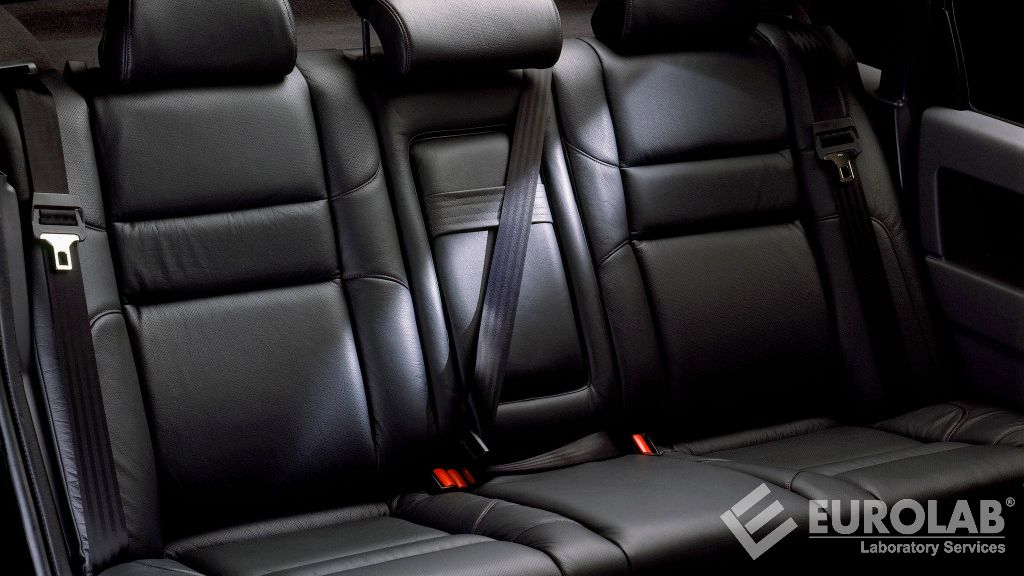
'Seat' as defined in the regulation means a structure intended to seat an adult, which may or may not be integral with the vehicle structure, complete with upholstery. The term covers both a single seat and part of a bench seat intended for one person.
Approval of the vehicle type is granted if the vehicle submitted for approval pursuant to this Regulation meets the relevant requirements (seats with headrests or can be equipped with headrests).
For tests to be considered successful, test results must meet regulatory requirements.
To get an appointment, to get more detailed information or to request an evaluation, you can ask us to fill in our form and reach you.

