
The ECE R22.06 Safety requirements for motorcycle and moped helmets (and visors), published by the European Economic Commission, is a United Nations regulation defining safety requirements for motorcycle and moped helmets (and visors). Today, helmets sold in Europe and other countries that have adopted the ECE standard must meet the ECE R22.06 requirements to be approved for use on public roads.
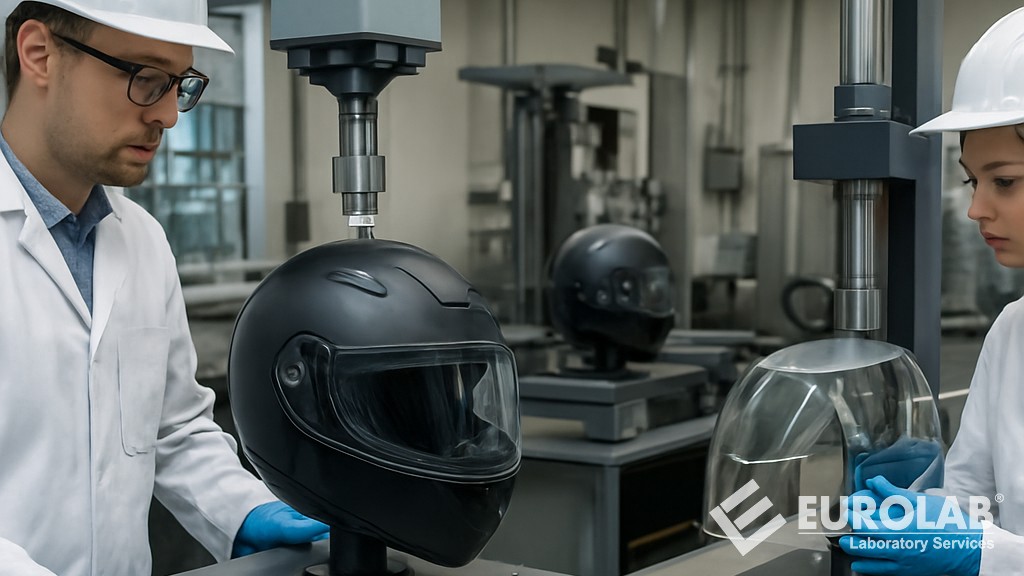
UN Regulation No. 22 contains uniform provisions regarding the approval of protective helmets and visors for drivers and passengers of two-wheeled vehicles.
In the high-risk world of motorcycling, a helmet is the ultimate protector. The United Nations Economic Commission for Europe (UNECE) has established a global standard for protective helmets that has been in effect for years. However, as riding conditions change (such as faster motorcycles, heavier traffic, and more urban accidents), older standards need updating. The latest update to the ECE R22.06 regulation, published in 2021, not only changed the rules but also introduced new regulations for helmet safety. This regulation, which is now fully mandatory for new designs, forces manufacturers to offer helmets that better simulate real-world accidents and save more riders from concussions, fractures, and worse.
The first version of the ECE R22 regulation, ECE 22.02, mandated basic protection such as impact absorption and safety straps. The ECE 22.05 version remained in effect for over two decades, requiring helmets to undergo impact, penetration, and structural tests. However, by the 2010s, data from crash studies painted a clearer picture: real accidents are not regular laboratory simulations. Drivers roll over at varying speeds, collide at oblique angles, and are subjected to rotational forces that twist the brain like a rag. ECE R22.05, which applied single-speed impacts to only six helmet points, has become an outdated standard. The gradually introduced ECE R22.06 has now become the sole option for new approvals. ECE R22.06 is valid wherever UN standards apply. It is not just a European standard; it is considered worldwide for improved protection.
ECE R22.06 essentially increases realism. There are no more uniform tests; instead, scenarios that reflect the unpredictability of road collisions are introduced. The major changes are as follows:
This covers everything from low-speed city skidding (where 70 percent of accidents occur) to highway horrors, preventing even minor impacts from causing bodily harm.
ECE R22.05 has often been criticized for neglecting rotation. ECE R22.06 addresses this issue by leveraging studies showing that rotational forces can double the risk of injury.
Under ECE R22.06, helmets must now meet the following more stringent requirements:
For many years, our organization, with its competent and experienced staff, has been understanding the needs of its clients, providing the advanced testing services they require, and assisting them in the establishment, implementation, and improvement of management systems. Within this framework, we also provide testing services to businesses in accordance with the "ECE R22.06 Safety requirements for motorcycle and moped helmets (and visors)" standard.
To get an appointment, to get more detailed information or to request an evaluation, you can ask us to fill in our form and reach you.

